Bali Luwak Coffee: An Honest Tasting Guide from Nusa Dua
By Villa Soleil · Published August 2026 · 7 min read
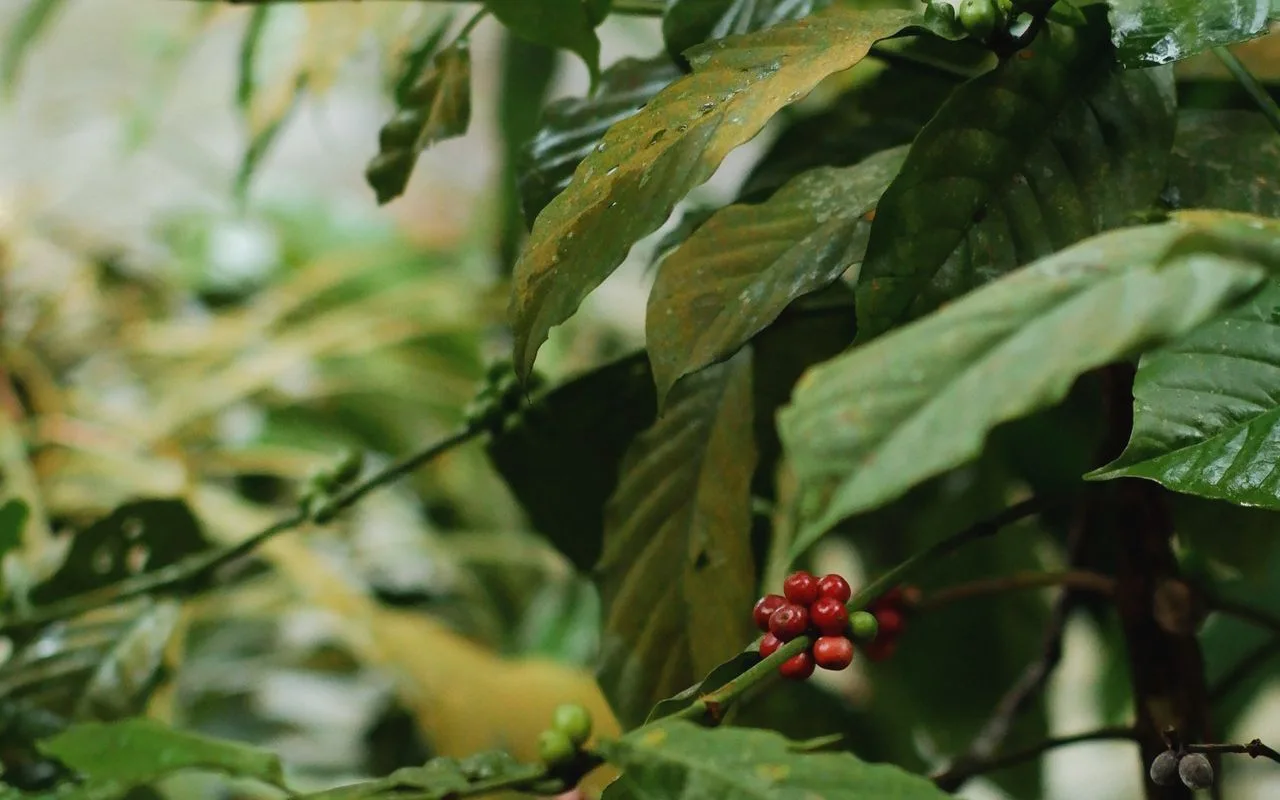
Quick answer: Luwak coffee is made from beans eaten and passed by the Asian palm civet, then cleaned, dried and roasted. The genuinely good (and ethical) versions come from wild-collected droppings on small Kintamani-area farms — not caged-civet tourist traps. From Villa Soleil in Nusa Dua it’s a 1.5–2.5 hour drive north; our host can arrange a driver and pair it with an Ubud or Kintamani day out.
No coffee in Bali is sold with a straighter face and a taller tale than luwak coffee. You’ve probably seen the headlines: the world’s most expensive coffee, beans plucked from the droppings of a small jungle cat, sold for eye-watering sums in airport lounges. Some of that is true. A lot of it is theatre. This guide is written for the curious traveller staying in southern Bali who wants the honest version: what luwak coffee actually is, where to taste it without funding cruelty, what it costs, and how to fit a tasting into a day from Nusa Dua without spending the whole trip in a car.
What luwak coffee actually is
The animal at the centre of it all is the Asian palm civet — luwak in Indonesian — a nocturnal, cat-sized mammal with a long tail and a sweet tooth for the ripest coffee cherries. It eats the fruit, digests the soft pulp, and passes the hard beans largely intact. During digestion, enzymes break down some of the proteins that make coffee bitter, which is why genuine luwak coffee tends to taste smoother, rounder and less acidic than ordinary brews. Farmers collect the droppings, wash the beans thoroughly (many times over), dry them in the sun, then hull and roast them like any other coffee.
That’s the romance. The reality is that the process is labour-intensive, the yield is tiny, and the flavour — while pleasant — is subtle rather than mind-blowing. If you go in expecting a religious experience, you may be underwhelmed. If you go in curious about a genuinely unusual agricultural product, you’ll likely enjoy it.
The ethics question you should ask first
Here is the part most tourist stops won’t volunteer. The original luwak coffee was made from wild civet droppings, gathered by hand across the forest floor. As demand exploded, some operators began caging civets and force-feeding them coffee cherries to industrialise production. Caged civets are often kept in poor conditions, fed an unnatural monotony of cherries, and show signs of severe stress. A nocturnal forest animal blinking in a daytime display cage is not a wildlife experience — it’s the opposite.
You can taste luwak coffee responsibly. Ask directly whether the beans come from wild-collected or free-roaming civets, look for any small-batch farm that talks openly about sourcing, and walk away from places that keep visibly distressed animals in tiny cages purely as a photo prop. A little of our cultural awareness goes a long way here; so does reading the room. The best operators are proud to explain exactly where their beans come from.
Where the coffee actually grows
Bali’s coffee heartland is the cool volcanic highlands around Kintamani and Mount Batur, plus the agrotourism belt north of Ubud through Tegallalang. The altitude, mineral-rich soil and cooler nights produce a bright, citrusy Arabica that’s respected well beyond luwak novelty. This is why almost every coffee-tasting plantation sits well north of the southern beaches — and why a tasting is, realistically, part of a wider day trip rather than a quick errand.
Most agrotourism farms offer a free tasting flight: a small tray of perhaps a dozen tiny cups — ginseng coffee, coconut coffee, lemongrass tea, rosella, cocoa, vanilla — with the luwak coffee as the one paid extra. It’s a relaxed, scenic ritual, usually with a terrace view over the rice terraces or jungle valley. You’re paying as much for the setting and the story as for the cup.
What it tastes like — and what it costs
Brewed traditionally (ground, hot water poured straight over, grounds left to settle), genuine luwak coffee is full-bodied, low in bitterness, with earthy, slightly chocolatey notes and a long, soft finish. It’s served small and strong, usually black; adding sugar or milk rather defeats the point of tasting it. Prices vary widely, so treat the figures below as a guide and check the day’s rates at the farm:
| Item | Typical price (IDR) | Notes |
|---|---|---|
| Free tasting flight (no luwak) | Free | ~10–12 small cups; expected to browse the shop after |
| Single cup of luwak coffee | 50,000 – 75,000 | The one paid item in most tasting flights |
| Take-home luwak beans (per 100g) | 150,000 – 350,000+ | Wild-sourced commands more; verify authenticity |
| Private driver, full day from Nusa Dua | 700,000 – 1,100,000 | 8–10 hrs, includes Ubud/Kintamani loop |
A word on authenticity: the global luwak market is full of fakes, and Bali is no exception. Some “luwak” sold to tour buses is ordinary coffee with a markup. The safest buy is a small bag from a farm where you’ve seen the operation and asked the right questions, not a vacuum-sealed box from a souvenir megastore.
Planning the trip from Nusa Dua
Let’s be honest about distance, because it shapes the whole day. From Villa Soleil in Nusa Dua, the Ubud–Tegallalang agrotourism farms are roughly 40–54 km away, about 1.5–2.5 hours each way depending on traffic; the higher Kintamani and Mount Batur farms are around 85–87 km, about 2.5–2.75 hours. That’s a real commitment from the south, so the smart move is to bundle the coffee tasting into a fuller itinerary rather than driving two hours for a single cup.
- Classic combo: A coffee tasting near Tegallalang slots naturally into an Ubud day trip — pair it with the rice terraces, a temple, and lunch in town.
- Highland version: If you’re already chasing the Mount Batur sunrise, a Kintamani coffee stop on the way back down is perfect — you’ll have earned that cup.
- Coffee-focused day: For serious bean lovers, our deep-dive on Kintamani coffee covers the region’s estates in more detail.
- Hands-on alternative: Prefer to learn rather than just sip? A cooking class or a barista-style tasting brings the same agrotourism charm closer to interactive.
Because these are long drives, an early start (leaving by 7–8am) makes the difference between a relaxed day and a frazzled one. Our host can arrange a comfortable air-conditioned car and an English-speaking driver who works with farms that are open about their sourcing — far less stressful than self-driving the mountain switchbacks.
Making a half-day of it: smart pairings
If a full mountain day feels like too much, you can still build coffee into a gentler loop. The agrotourism farms cluster with several Gianyar attractions that suit families and slower travellers alike. The nearest stops — such as the safari park (around 45–70 minutes from Nusa Dua) — pair easily with a tasting, while the Tegallalang terraces sit alongside the coffee belt at roughly 1.5–2.5 hours each way. You get the highland flavour, the photogenic scenery and the tasting tray, all without committing to the far north.
Travelling with children? The tasting flights are surprisingly kid-friendly — the cocoa, vanilla and lemongrass cups are caffeine-free crowd-pleasers, and the open-air terraces let little legs roam. It’s an easy add-on to a broader family day out.
Bringing the ritual back to the villa
You don’t have to drive two hours every morning to drink well. Bali’s specialty coffee scene has spread to the south, and good Kintamani Arabica is easy to find in Nusa Dua and nearby Sanur. Pick up a bag of beans (luwak or otherwise) on your day trip and brew it on the villa terrace at sunrise — arguably the best seat in the house. If you’d rather be looked after, our private chef can build a proper Balinese breakfast around freshly brewed local coffee, served by the pool. For more on the wider food landscape, our guides to Balinese dishes and Nusa Dua restaurants are good companions.
Luwak coffee is, in the end, a small and curious pleasure — best approached with open eyes rather than breathless expectation. Taste it once for the story, buy it only from people who’ll tell you exactly where it came from, and let it be the excuse for a beautiful day in the highlands rather than the whole point of the trip. When you’re ready to plan, message the Villa Soleil team on WhatsApp — we’ll point you towards an honest farm and a driver who knows the way.
Related reading
- Kintamani coffee: a closer look at Bali’s highland estates
- Ubud day trip from Nusa Dua: the complete plan
- Mount Batur sunrise: timing, tips and what to expect
- Balinese dishes every visitor should try
Written by the team at Villa Soleil. Message us to plan your stay in Nusa Dua.