The Soleil Guide — Experiences
Bali Cooking Class (2026): What to Know Before You Book
By Villa Soleil Team — Updated June 2026
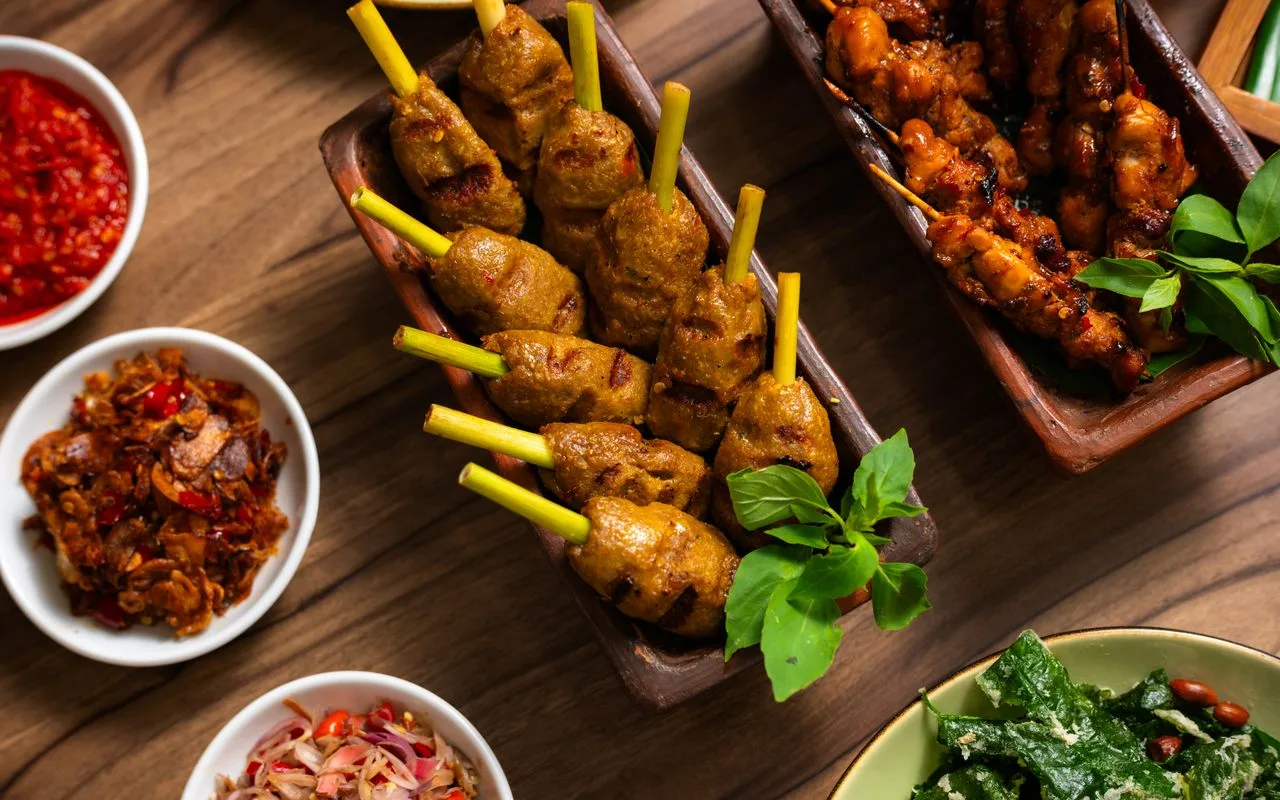
Taking a cooking class in Bali is one of those experiences that sounds optional until you do it, then it becomes the thing you talk about for years. You visit a morning market at sunrise, pick ingredients with a local guide, then spend three hours learning to make dishes you’ve been ordering in restaurants. It’s genuinely excellent.
What You’ll Learn
Most Bali cooking classes follow a similar arc: a market visit (optional but recommended), then a cooking session covering 5–8 dishes. Standard dishes across most classes include:
- Nasi goreng — Bali’s fried rice, made with kecap manis and shrimp paste
- Sate lilit — minced fish or chicken pressed onto lemongrass skewers
- Lawar — a Balinese salad of shredded vegetables, coconut, and spiced meat
- Bumbu base — the foundational spice paste that underlies almost everything in Balinese cooking
- Balinese black rice pudding — a classic dessert
Types of Cooking Classes
Morning market classes start at 7–8am, visit Pasar Badung or a village market, then cook. These are longer (4–5 hours total) but give you context for the ingredients. Best for serious food lovers.
Afternoon classes skip the market and start at 1–2pm. Shorter (2–3 hours), cheaper, and still excellent. Good if you want the cooking experience without the early start.
Private classes are available with most providers. Worth considering if you’re a group of 4+ or have specific dietary needs (vegan, gluten-free options are common).
Recommended Areas Near Nusa Dua
The highest concentration of well-reviewed cooking classes is in Ubud, about 50–60 minutes from Nusa Dua. Cooking classes based in Ubud often include the market visit at Pasar Ubud or a traditional village market, followed by cooking at a home kitchen or purpose-built facility with rice paddy views.
There are also a handful of classes available closer to Jimbaran and Seminyak if you want to stay closer to the south. Quality varies more at the southern options — read recent reviews before booking.
What to Expect: Prices & Duration
| Class Type | Duration | Price (per person) |
|---|---|---|
| Market + cooking (group) | 4–5 hours | USD 35–55 |
| Afternoon cooking (group) | 2–3 hours | USD 25–40 |
| Private class | 3–4 hours | USD 60–120 |
Prices include all ingredients, a full meal of what you cook, and usually a recipe booklet. Most providers will accommodate dietary restrictions if notified in advance.
Booking Tips
- Book at least 2 days in advance, especially in peak season (July–August, December).
- Confirm whether the morning market visit is included or optional.
- Ask specifically about dietary restrictions when booking — not all classes can accommodate vegan or nut-free guests.
- Check if transport from Nusa Dua is included or if you arrange your own driver.
Typical Class Structure: What to Expect
Most cooking classes in Bali follow a similar arc, refined over years of hosting international guests. The day usually begins with a 7am pickup from your villa and a stop at a local traditional market — Ubud’s Pasar Sukawati, Sanur’s Pasar Sindhu, or one of the village pasar near the class location. The market tour is genuinely educational: your instructor explains how to choose ripe coconut, identify fresh galangal versus ginger, and which chillies suit which dish.
From there you head to the cooking venue — usually a family compound or a purpose-built kitchen on a small farm. You’ll wash up, get an apron, and meet your fellow students (most classes run with 4–10 people). The instructor walks through the day’s menu, demonstrates each dish, then steps back while you cook your own version. Don’t worry about messing up — instructors are patient and the recipes are forgiving.
The session ends with everyone eating their own meal together at a long table around 1pm. You leave with a printed recipe booklet, the smell of lemongrass on your hands, and usually a small plant cutting from the garden. Total experience runs about 6 hours including transit.
Dishes You’ll Typically Learn
A standard cooking class menu covers 6–8 dishes spanning starter, main, and dessert. The selection reflects the Balinese home kitchen rather than tourist restaurant fare. Expect to make: sate lilit (minced fish satay wrapped on lemongrass sticks), gado-gado (vegetable salad with peanut sauce), ayam betutu (slow-cooked spiced chicken in banana leaf), and nasi kuning (turmeric rice cones).
The most memorable dish for most students is the base genep — the base spice paste that underpins almost all Balinese cooking. It blends shallots, garlic, ginger, galangal, turmeric, chillies, candlenut, and coriander, hand-pounded in a stone mortar (called cobek). Learning the proportions and order of pounding is the single most useful skill you can take home; once you have base genep, you can recreate dozens of Balinese dishes from a simple grocery shop in your home country.
Dessert is usually dadar gulung (pandan crepes with palm sugar coconut filling) or kolak pisang (banana in palm sugar coconut milk). Both are technically simple but rely on the quality of ingredients — particularly fresh young coconut and good palm sugar.
Choosing the Right Class for You
There are roughly four tiers of cooking class in Bali, and matching the right one to your interests makes a big difference. Budget classes (Rp 350,000–500,000 per person) run in larger groups of 10–15 students in Ubud or Seminyak. Good for couples or families on a flexible budget; experience is enjoyable but less personalised.
Mid-tier classes (Rp 600,000–900,000) cap groups at 6–8 students and often include market tours and printed recipe books. This is the sweet spot for most travellers — high quality, hands-on, and you’ll genuinely learn techniques you can repeat at home. Paon Bali Cooking Class and Casa Luna are popular options in this tier.
Premium private classes (Rp 1,200,000–2,000,000) are one-on-one or family-only, often at a chef’s private home or your villa. Excellent for serious home cooks or special occasions. Our concierge service can arrange a chef to come to Villa Soleil and run a private class in our kitchen — popular for anniversaries, birthdays, and groups travelling with grandparents who prefer not to leave the villa.