The Soleil Guide — Culture
Bali Traditional Dance (2026): Kecak, Legong & Barong Guide
By Villa Soleil Team — Updated June 2026
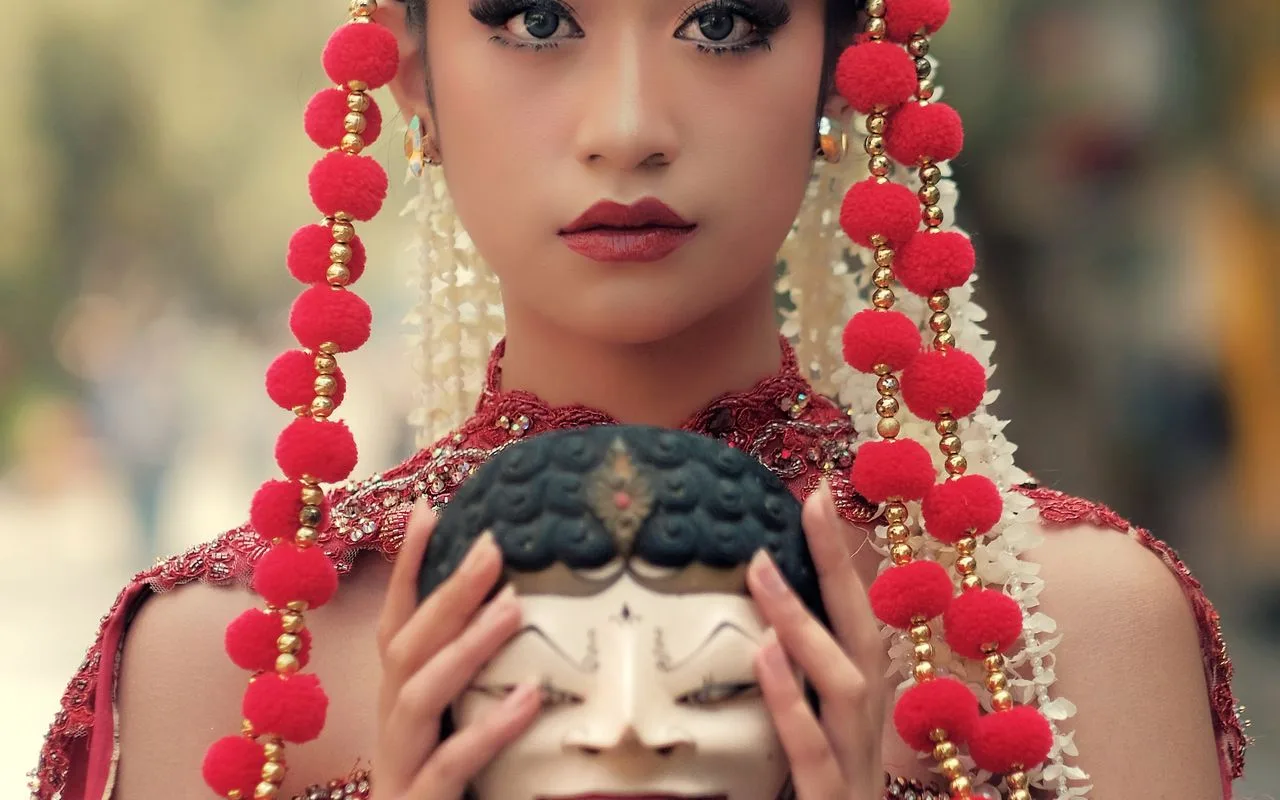
Bali has a living performance culture unlike anywhere else in Southeast Asia. Every evening across the island, dancers in elaborate costumes re-enact stories from Hindu mythology in shows that range from small temple ceremonies to full tourist productions. Which ones are worth your time, and which to skip? Here’s an honest guide.
Kecak Fire Dance at Uluwatu — The One to See
Location: Pura Luhur Uluwatu · Drive from Nusa Dua: 35 minutes · Time: Daily at 6pm · Ticket: Rp 150,000
The Kecak at Uluwatu is one of the great theatrical experiences in Asia. Around 150 men sit in concentric circles on an open cliff-top stage above the Indian Ocean, chanting “cak-cak-cak” in hypnotic unison as dancers in golden headdresses perform the Ramayana story. The show runs as the sun sets over the ocean behind the stage. The combination of music, costume, fire (in the final scene), and setting is extraordinary.
It can be crowded — arrive 30 minutes early for a good seat. The temple grounds require a sarong (available to borrow at the gate). The view from the cliff afterward is worth staying for.
Legong Dance at Ubud Palace — The Classical Performance
Location: Puri Saren Agung, Ubud · Drive from Nusa Dua: 60 minutes · Time: Several evenings per week, 7:30pm · Ticket: Rp 100,000
Legong is considered the most refined of Balinese dances. Young women in elaborate gold and red costumes perform in the courtyard of the royal palace in central Ubud, accompanied by a full gamelan orchestra. The movements are precise and intricate — even small finger gestures carry meaning. Less dramatic than Kecak, but culturally deeper and performed in a beautiful venue.
Barong Dance in Batubulan — The Morning Show
Location: Batubulan village, near Gianyar · Drive from Nusa Dua: 50 minutes · Time: Daily at 9:30am · Ticket: Rp 100,000
The Barong is the lion-like protective spirit of Bali, and the Barong dance tells the story of his eternal battle against the widow-witch Rangda. It’s a morning performance, which makes it convenient to combine with a day trip to Ubud. The costumes for the Barong character are extraordinarily elaborate, and the performance involves some genuine acrobatics.
Fire Dance (Kecak variants) in Other Locations
Kecak performances also take place at Tanah Lot temple (on certain evenings) and at various cultural centres around Ubud. The Uluwatu version is considered the best for the setting; Ubud-based performances are more convenient if you’re already spending the day there.
Tips for Attending Any Performance
- Dress code: A sarong and sash are required for temple-based performances (available to borrow at the entrance, or buy for Rp 20,000–30,000).
- Photography: Photography is generally allowed during performances. Flash is usually prohibited and disrespectful during ceremonies.
- Book in advance: Popular shows like Uluwatu Kecak sell out in high season. Book 1–2 days ahead through your accommodation.
- Authentic vs tourist: Many temple ceremonies are genuine religious events. If you happen upon one, watch respectfully from a distance. The scheduled performances above are specifically for visitors and are less sacred.
Where to See Traditional Dance Near Nusa Dua
You don’t need to travel far from Nusa Dua to see high-quality traditional dance. The most accessible regular performance is at Devdan Show at Bali Nusa Dua Theatre, just 10 minutes from Villa Soleil. While Devdan is a modern theatrical interpretation rather than strictly traditional, it covers the major dance forms across the Indonesian archipelago — Legong, Kecak, and dances from Java, Sumatra, and Papua — in a polished 90-minute production. Tickets run Rp 500,000–900,000 depending on seat. Showtimes: Monday, Wednesday, Friday, Saturday at 7pm.
For more traditional and intimate performances, head 40 minutes to Ubud. The Ubud Palace (Puri Saren) hosts open-air dance performances most evenings starting at 7:30pm. Tickets are Rp 100,000 per person at the door. Kecak Fire Dance at Pura Luhur Uluwatu is closer — 30 minutes from Nusa Dua — and combines the dance with a cliff-top sunset. Tickets Rp 150,000, performance starts at 6pm. Arrive by 5:30pm to secure good seats.
For something more local and less staged, ask our concierge about temple ceremony schedules. Many temple festivals (odalan) feature traditional dance as part of the religious rite, performed by local villagers for the community rather than tourists. These are free to attend if you dress respectfully and follow protocol.
Major Dance Forms You’ll Encounter
Legong is the most refined classical dance, traditionally performed by young girls in elaborate gold-leaf costumes. Movements are intricate and stylised — every finger position and eye movement carries meaning. A full Legong performance lasts 30–45 minutes and tells a story from Hindu epic literature, often the Ramayana. The accompanying gamelan music is hypnotic.
Kecak is the most theatrical and accessible to first-time viewers. Often called the “monkey dance,” it features a circle of 50–100 male performers chanting “cak-cak-cak” in interlocking rhythms while telling the story of Rama’s rescue of Sita from the demon king Ravana. There’s no instrumental music — the vocal chant is the entire soundtrack. Energetic, hypnotic, and the easiest dance to follow if you don’t know the story.
Barong represents the eternal struggle between good (Barong, a lion-like creature) and evil (Rangda, a witch figure). The dance is part performance, part exorcism, and traditionally performed at temple festivals to maintain spiritual balance in the village. Barong is the dance most likely to feel genuinely sacred — performers can go into trance, and the audience sometimes participates. Worth seeing in a temple setting rather than a hotel show if you can.
Behind the Costumes: Symbolism and Craftsmanship
The costumes you see on stage are works of art that take years of training to make properly. The intricate gold-leaf and silk costumes worn by Legong dancers, for example, are hand-stitched by specialised costumers in villages around Singapadu and Sukawati. A single Legong headdress (called a gelungan) can take 2–3 months to produce and cost Rp 5–15 million.
Symbolism is everywhere. The colour gold represents the divine; red represents passion and life force; white represents purity. The position of fingers in the dance — sometimes pointed sharply, sometimes curved softly — corresponds to specific emotions and characters drawn from Hindu mythology. Even the eye movements (called seledet) are choreographed precisely: a sudden shift from one corner of the eye to the other signals surprise, recognition, or threat.
If you’re curious to see costumes up close, our concierge can arrange a visit to a costume-making workshop in Singapadu village (about 50 minutes from the villa). It’s a quiet, hands-on cultural experience that few visitors think to do, and you’ll come away with a genuinely deeper appreciation of what you see on stage.
Where to See Traditional Dance: Venue Comparison
Quick reference for choosing where to watch traditional dance based on your priorities:
| Venue | Distance from Villa | Dance | Price (Rp) | Start Time |
|---|---|---|---|---|
| Devdan Show, Nusa Dua | 10 min | Multi-form theatrical | 500k–900k | 7:00 PM (Mon/Wed/Fri/Sat) |
| Uluwatu Temple | 30 min | Kecak Fire Dance | 150k | 6:00 PM daily |
| Ubud Palace | 50 min | Legong, Barong, Mahabarata | 100k | 7:30 PM daily |
| Local Temple Festival | Varies | Authentic ceremonial | Free | Varies (check with concierge) |