Halal Food in Bali: A Nusa Dua Guide for Muslim Travellers & Curious Foodies
By Villa Soleil · Published August 2026 · 7 min read
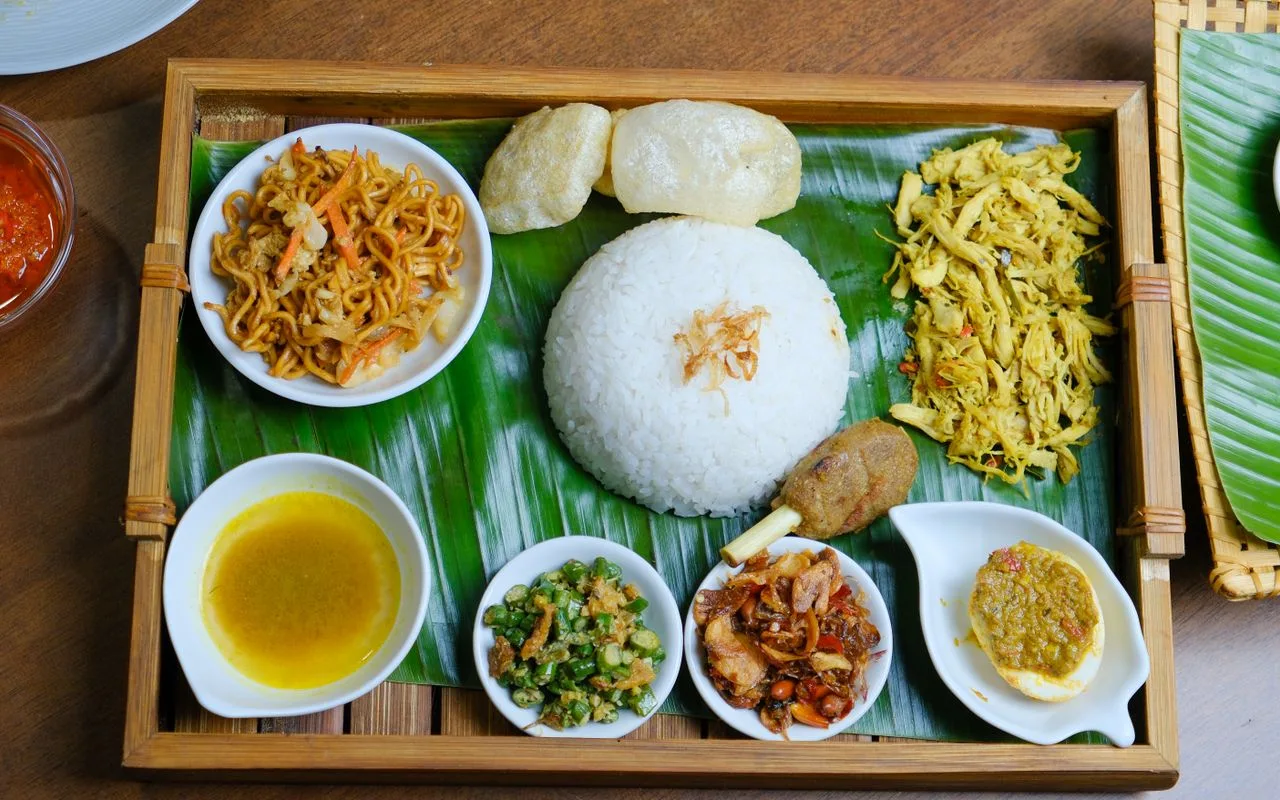
Quick answer: Yes, eating halal in Bali is genuinely easy — especially from Nusa Dua, where most resort kitchens, warung and several certified restaurants cater to Muslim guests. Stay at Villa Soleil and our host can arrange a halal private chef or point you to trusted nearby spots.
- Is It Really Easy to Eat Halal in Bali?
- What “Halal” Means on the Ground Here
- Where to Eat Halal Around Nusa Dua & Benoa
- Halal Versions of Bali’s Signature Dishes
- Prices: What a Halal Meal Actually Costs
- The Private-Chef Option (and Why It Solves a Lot)
- Eating Halal on Day Trips Inland
- Practical Tips for a Smooth Halal Trip
Indonesia is the world’s largest Muslim-majority country, so the usual worry — that a Hindu island famous for its temples and its babi guling suckling pig will be hard going for halal eaters — turns out to be mostly unfounded. You can eat well here, and more easily than most first-timers expect, because the supply chain, the warung culture and the resort kitchens are all used to serving halal meals. From a base in Nusa Dua, where Villa Soleil sits a short stroll from Geger Beach, you are in one of the easiest parts of the island for it. This guide covers what halal looks like in practice, where to eat near the villa, what to watch for, and how to handle day trips inland where the picture changes.
Is It Really Easy to Eat Halal in Bali?
For the most part, yes. Indonesian cooking is built around chicken, fish, beef, rice, vegetables and coconut — ingredients that are naturally halal or easily prepared that way. Pork (babi) and the famous babi guling suckling pig are more visible in Bali than elsewhere in Indonesia, but they are clearly labelled and concentrated in specific warung. The two things to keep an eye on are pork in obvious dishes and alcohol in cooking or alongside a meal. Beyond that, the everyday food you will encounter — nasi goreng, mie goreng, ayam bakar, gado-gado, sate ayam — is overwhelmingly halal-friendly. If you want to understand the wider local menu before you go, our guide to Balinese and Indonesian dishes is a useful primer.
What “Halal” Means on the Ground Here
It helps to separate three levels of confidence. First, certified halal — restaurants and chains carrying the MUI or the newer BPJPH government halal logo, which is the gold standard if certification matters to you. Second, Muslim-owned or no-pork-no-lard warung, which are extremely common and reliable for day-to-day eating even without a sticker on the door. Third, resort and villa kitchens, which routinely prepare halal meals on request and source from halal suppliers. If you need certified-only, say so clearly when you book a table or brief a chef. Most staff in tourist Bali understand the request immediately; the word to use is simply “halal”, with “tanpa babi” (no pork) and “tanpa alkohol” (no alcohol) as useful add-ons.
Where to Eat Halal Around Nusa Dua & Benoa
This is where staying in the south pays off. Nusa Dua and neighbouring Tanjung Benoa are resort territory, and resort kitchens handle every dietary request, halal included. Within a short drive of the villa you will find Indonesian restaurants, Middle Eastern and Indian places, and warung that are reliably pork-free. A few practical pointers:
- Hotel and resort restaurants in Nusa Dua almost all offer halal menus or can confirm halal sourcing — ideal if you want certainty with comfort.
- Local warung in Benoa and around Bualu village serve honest nasi campur, ayam betutu and seafood, most of them pork-free; just ask “ada babi?” if unsure.
- Tanjung Benoa seafood grills make a fine halal-friendly dinner — freshly grilled fish, prawns and squid, easy to keep simple. Pair it with a water-sports morning on the same stretch.
- Indian and Middle Eastern kitchens across the south are a dependable certified-halal option when you want a break from Indonesian flavours.
For a fuller list of where locals and guests actually eat nearby, see our Nusa Dua restaurants roundup, and for the beach-and-food combination there is the Nusa Dua beach guide.
Halal Versions of Bali’s Signature Dishes
You do not have to miss out on local flavour to eat halal. Many of Bali’s signature dishes have halal versions, and a few are halal by nature. Ayam betutu — chicken slow-cooked with a fierce spice paste, traditionally wrapped in areca-palm sheath and banana leaf before roasting — is the chicken counterpart to the pork bebek/babi betutu and is widely available. Sate lilit made with chicken or fish (rather than pork) is common, as is nasi campur built around chicken, egg, vegetables and sambal. Grilled fish with sambal matah — raw shallot, lemongrass and chilli — is a south-Bali staple and naturally halal. The one genuinely pork-centric dish, babi guling, simply is not for you, and that is fine; there is more than enough else. A cooking class is a lovely way to learn the halal-friendly side of the cuisine — see our Bali cooking class guide.
Prices: What a Halal Meal Actually Costs
Bali spans the full range, from a few dollars at a warung to a serious tasting menu. The table below gives realistic 2026 ranges per person so you can plan; treat them as a guide rather than fixed quotes, since prices move and many restaurants now add tax and service.
| Where | Typical dish | Price per person (IDR) | Notes |
|---|---|---|---|
| Local warung (Benoa/Bualu) | Nasi campur ayam, drink | 30,000–60,000 | Ask “tanpa babi”; most are pork-free |
| Mid-range Indonesian restaurant | Ayam betutu or sate set | 80,000–180,000 | Many confirm halal sourcing on request |
| Tanjung Benoa seafood grill | Grilled fish & prawns | 150,000–350,000 | Priced by weight; confirm before ordering |
| Certified Indian/Middle Eastern | Curry or mixed grill | 120,000–300,000 | Reliable certified-halal choice |
| Resort fine dining | Set or à la carte | 500,000–1,500,000+ | Halal on request; pre-brief the kitchen |
| Private chef at the villa | Multi-course dinner | 250,000–600,000 | Fully halal, you set the menu |
For a wider budgeting picture across your whole stay, our Bali trip cost guide breaks down food, transport and activities.
The Private-Chef Option (and Why It Solves a Lot)
If certification, allergies or just peace of mind matter to you, the simplest answer is to bring the kitchen to you. A private chef cooks entirely halal, sources ingredients accordingly, and will walk you through what goes into each dish — you eat by your own pool, on your own schedule, which suits families with children or groups with mixed dietary needs. To set it up, message the Villa Soleil team on WhatsApp.
Eating Halal on Day Trips Inland
The south is the easy part; the picture shifts once you head to the cultural heartland, and it is worth being honest about distance. Ubud is roughly 40–45 km and 1.5–2 hours from Nusa Dua, the Tegallalang rice terraces sit north of Ubud at 2–2.5 hours, and Kintamani or Mount Batur is around 2–2.5 hours each way. For far-east temples or the north coast, plan an early start or an overnight rather than a punishing same-day round trip. The good news is that Ubud is thoroughly used to international visitors and has plenty of halal-friendly and vegetarian-forward restaurants; you will not struggle there. In smaller villages the offering thins out, so it is sensible to eat a proper meal before a long stretch and carry water and snacks. Our Ubud day trip guide pairs naturally with a halal lunch stop, and if you are heading up to the highlands the Kintamani coffee route has cafes that suit most diets.
Practical Tips for a Smooth Halal Trip
A little preparation removes almost all the friction. Keep these in mind:
- Learn three phrases: “halal?”, “ada babi?” (is there pork?) and “tanpa alkohol” (no alcohol). They are understood everywhere.
- Watch the hidden ingredients: lard in some fried snacks, and dishes cooked with rice wine in Chinese-Indonesian places. When unsure, ask.
- Prayer is easy in the south: Nusa Dua and the airport have musholla, and many malls and larger restaurants provide a prayer room.
- Ramadan and food safety: if you visit during Ramadan, daytime warung may keep shorter hours; and for any traveller our food and water safety guide is worth a read.
- Brief us early: tell the villa your dietary needs at booking so the chef, drivers and any restaurant reservations are sorted before you land. Booking direct with us is also cheaper than the platforms.
Eating halal in Bali, in short, is not a compromise — it is just Bali with a few easy habits, and from Nusa Dua you are surrounded by options. When you are ready to plan, our host is one WhatsApp message away.
Related reading
- Balinese & Indonesian Dishes to Try
- Best Restaurants in Nusa Dua
- Hiring a Private Chef in Bali
- Bali Cooking Class Guide
Written by the team at Villa Soleil. Message us to plan your stay in Nusa Dua.