Snorkelling Blue Lagoon, Padang Bai: The Honest Guide
By Villa Soleil · Published September 2026 · 7 min read
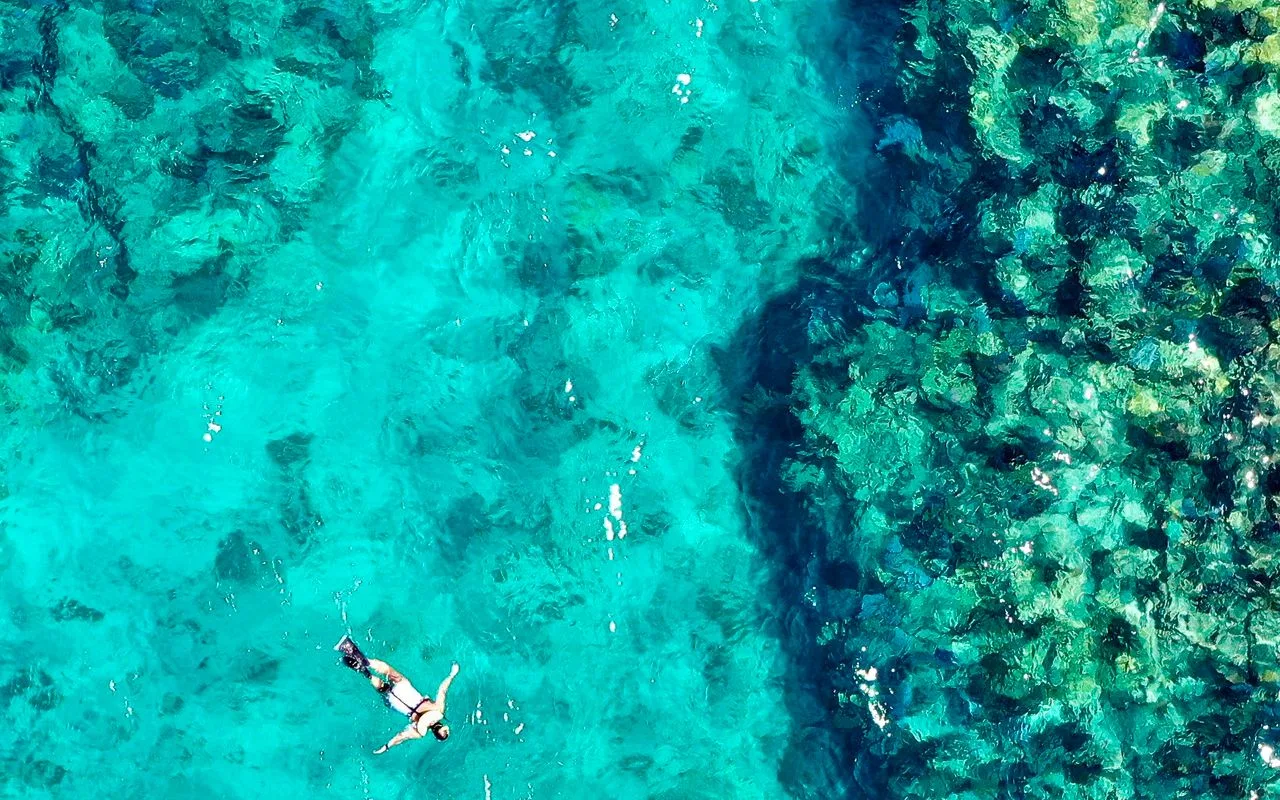
Quick answer: Blue Lagoon is a small, sheltered cove just east of Padang Bai harbour, about 1.5–2 hours from Nusa Dua. Go early (arrive by 8–9am) for the clearest water, calmest surface and a realistic shot at seeing turtles before the boats and crowds arrive.
Blue Lagoon is one of those Bali spots that sounds bigger than it is—and that is exactly its charm and its catch. It is a compact, sheltered cove tucked just east of Padang Bai, the busy little ferry port on Bali’s east coast. The water is genuinely clear, there is real coral close to shore, and on a good morning you can watch green turtles graze in waist-deep shallows. From Villa Soleil in Nusa Dua it is roughly a 1.5 to 2 hour drive east, which makes it one of the better half-day snorkel trips you can do without committing to a boat crossing or a 3am alarm. This guide is the honest version—what is great, what is overhyped, and how to plan it so the cove works in your favour.
Why Blue Lagoon is worth the drive
The appeal is simple. Blue Lagoon is a small bay protected by two headlands, so the surface is usually calm even when nearby beaches are choppy. That calm, combined with shallow depth—much of the snorkelling happens in 1 to 5 metres of water—makes it forgiving for beginners and families, while still holding enough marine life to keep confident snorkellers happy. You can wade straight in from the sand; no boat is strictly required to reach the reef.
- Clear, accessible water: visibility is often 8–15 metres on a calm morning, and you can snorkel directly off the beach.
- Coral and reef fish: patches of hard and soft coral host parrotfish, angelfish, clownfish in anemones, and the occasional moray.
- Turtles, sometimes: green turtles do frequent the cove, but they are wild—treat a sighting as a lucky bonus, not a guarantee.
- Low commitment: no fast-boat crossing, no pre-dawn start—just a manageable drive and a few hours in the water.
If you want bigger reefs, drift dives and wreck snorkelling, the east-coast village of Amed and Tulamben further north delivers more—but it is also further and better suited to a full day or overnight. Blue Lagoon is the easy, scenic introduction.
How to get there from Nusa Dua
From Nusa Dua you head east and slightly north, skirting Sanur and the bypass before the road narrows toward Padang Bai. Realistically budget 1.5 to 2 hours each way depending on traffic out of the south. The most relaxed option is a private driver for the day, which our host can arrange—you keep the car, set your own pace, and can fold in a stop on the way back.
- Private driver (recommended): a full-day car with driver typically runs around IDR 600,000–900,000; confirm current rates and whether fuel is included.
- Ride-hail or taxi one-way: possible but you may struggle to find a return ride from Padang Bai, so a round trip arrangement is wiser.
- Scooter: doable for experienced riders, but it is a long ride on busy roads—see our scooter rental notes before deciding.
For the bigger picture on getting around the island, our Bali transportation guide covers drivers, apps and rough costs. Once you reach Padang Bai, the cove is a short walk or a few minutes’ ride east of the main harbour; locals and signs point the way, and there is a small parking area near the beach.
Best time to go
Timing changes the experience more than anything else here. Arrive early. The water is clearest and calmest in the first hours after sunrise, before the wind picks up and before day-trip boats and the dive crowd arrive mid-morning. Aim to be in the water by 8 or 9am and you will likely have stretches of the cove almost to yourself.
Season matters too. The dry months from roughly April to October generally bring better visibility and calmer seas; the wetter months can stir up sediment and reduce clarity, though good days still happen. If your trip falls in the green season, build in flexibility—our rainy season guide explains how to plan around the showers. For the broader picture of when Bali is at its best, see best time to visit Bali.
What to bring
You can rent gear at the cove, but quality varies and fit is hit-or-miss, so bringing your own mask and snorkel pays off if you have them. Everything else is about sun, safety and comfort for a few hours at an undeveloped beach.
| Item | Why it matters | Note |
|---|---|---|
| Mask & snorkel | Best fit and hygiene | Rentals exist; quality varies |
| Reef-safe sunscreen | Protects skin and coral | Apply early; reapply after water |
| Rash guard / shirt | Sun cover while floating face-down | Better than sunscreen alone |
| Water shoes | Rocky, coral-strewn entry points | Protects feet and the reef |
| Cash (IDR) | Parking, rentals, warung, fins | No reliable ATMs at the cove |
| Dry bag & towel | No lockers; few facilities | Keep valuables minimal |
Pack light but deliberate—there is no resort infrastructure here. For a full checklist tuned to Bali, our packing list covers the rest, and our money & ATM guide explains why carrying small cash is smart.
The honest crowd note
Here is the part the brochures skip. Blue Lagoon is small, and by late morning it can feel crowded—dive groups gearing up, day-trip vans unloading, and snorkellers packed into the best coral patches. Because the cove is shallow and popular, the reef directly off the beach shows wear in places, and a handful of careless visitors stand on coral or chase turtles. It is still a lovely spot; it is just not the empty paradise some photos imply.
- Go early or late: the crowd thins again in the afternoon, though wind may reduce clarity by then.
- Swim a little further out: the coral and fish improve as you move past the busiest near-shore patch.
- Never stand on or touch coral: float, keep fins clear, and give turtles a wide, calm berth.
- Manage expectations: it is a good cove, not a remote wonder—come for an easy, scenic morning.
If pristine, less-trafficked reef is your priority, pair this with research on diving and snorkelling sites further afield, or treat Blue Lagoon as the warm-up.
Making a day of it
Blue Lagoon takes a couple of hours, which leaves room to build a fuller east-coast day. Padang Bai itself has simple seafood warungs and a laid-back harbour atmosphere worth a wander. On the drive back, the gentle hills of Sidemen offer rice-terrace views and a calmer counterpoint to the coast, and you are not far from the temple circuit and waterfalls of the east.
A relaxed route looks like this: early snorkel, late breakfast or lunch in Padang Bai, then one inland stop before heading home in time for a swim in your own pool. If you would rather not drive at all, our host can arrange a driver who knows the area and can suggest stops based on the day’s weather and your energy. For inspiration on stringing days together, our 5-day Bali itinerary shows how the east coast fits a wider trip.
Practical tips and safety
Snorkelling here is straightforward, but a few habits make the difference between a great morning and a scraped shin. The entry points can be rocky, currents can pick up outside the cove, and there are no lifeguards, so self-sufficiency matters.
- Check the surface first: if it looks choppy or murky, snorkel close to shore or wait it out.
- Snorkel with a buddy: there is no lifeguard service; stay within easy reach of the beach.
- Mind the current at the edges: the cove is calm, but water moves faster past the headlands.
- Hydrate and rest: sun and salt are tiring—take breaks under shade between sessions.
- Respect the marine life: look, don’t touch, and let turtles surface and feed undisturbed.
Plan it well and Blue Lagoon delivers exactly what it promises: clear water, real coral, a decent chance of turtles, and an easy half-day from the south. When you are back at the villa, message our host on WhatsApp to line up the driver, a packed breakfast, or a private chef dinner to round out the day.
Related reading
- Amed & Tulamben: east-coast diving and snorkelling
- Bali diving & snorkelling sites guide
- Sidemen: rice terraces on the way home
- Getting around Bali: drivers, apps & costs
Written by the team at Villa Soleil. Message us to plan your stay in Nusa Dua.