Bali in the Rainy Season: A Green-Season Guide from Nusa Dua
By Villa Soleil · Published July 2026 · 8 min read
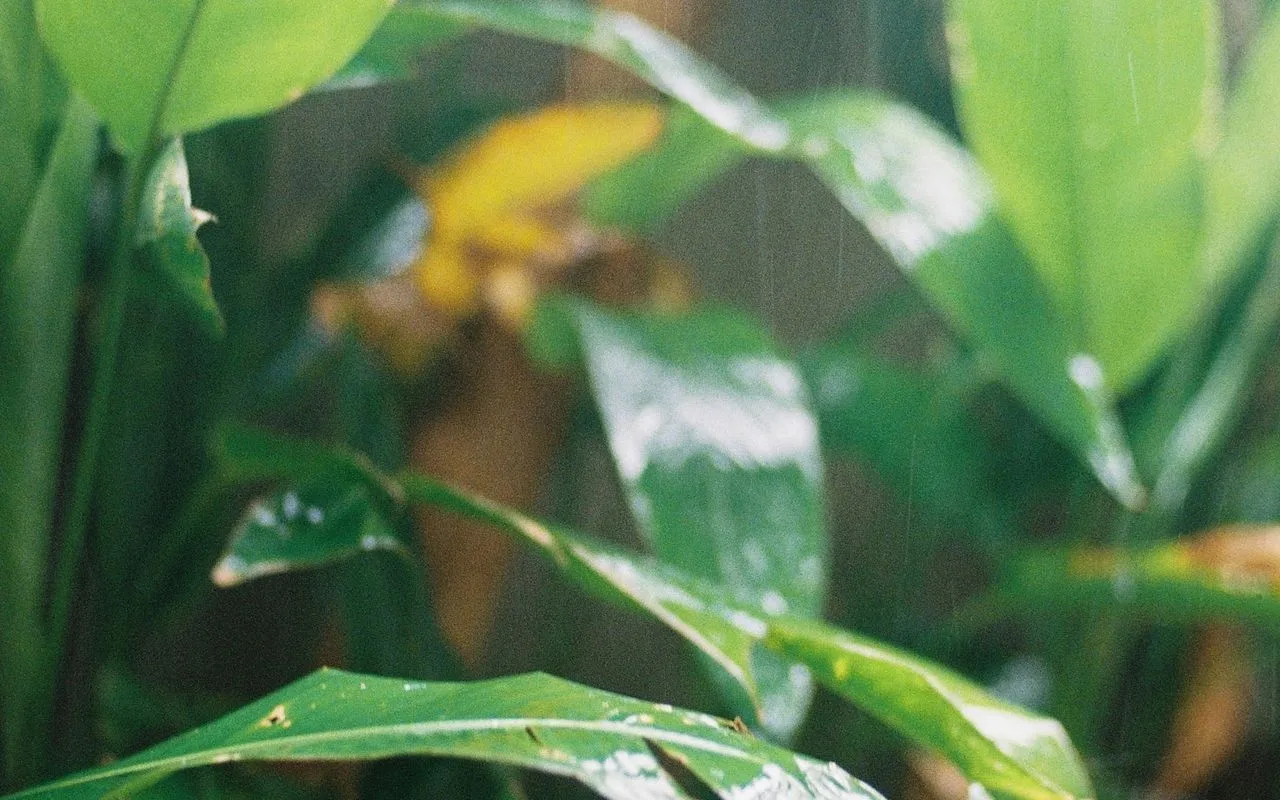
Ask anyone nervous about Bali in the wet months and the question is always the same: will it rain the whole time? After living through every green season here in Nusa Dua, I can tell you the usual pattern is sun until lunch, a heavy burst around mid-afternoon, then a clear evening. The wet months — roughly November through March — are nothing like the grey, drizzle-all-day winters many guests picture. What you actually get is a tropical rhythm: bright, humid mornings, a dramatic burst of rain in the afternoon, and warm, clear evenings made for dinner by the pool. Locals call it green season, and once you understand how it behaves, it becomes a rewarding — and affordable — time to visit.
This guide is written from the villa’s perspective: what the weather is really like, how to plan a day around the afternoon downpour, what to do when the sky opens, what to pack, and why green season can suit certain travellers better than the dry-season crowds. If you’re still deciding on dates, pair this with our broader best time to visit Bali overview — this article goes deeper on the wet months specifically.
What Bali’s rainy season is actually like
Bali sits just south of the equator, so it has two seasons rather than four: dry (April–October) and wet (November–March). During the wet months, the prevailing monsoon brings moisture-heavy air that builds through the morning and releases in the afternoon. A typical green-season day looks something like this: you wake to sunshine and a swim, the humidity climbs through midday, clouds gather around 1–3pm, and a heavy downpour lasts anywhere from forty minutes to a couple of hours. By early evening the air is washed clean, the temperature drops a few degrees, and the garden smells of wet frangipani.
Temperatures stay remarkably stable year-round — daytime highs of 29–32°C and nights around 24°C. The difference in the wet season is humidity, not cold. You will sweat more, the sea is warm as a bath, and you’ll appreciate the villa’s air-conditioning and the breeze off the pool. Rainfall peaks in December, January and February; November and March are transition months that often feel more like the dry season with occasional showers.
Month-by-month: a green-season timeline
Not all wet months are equal. Here is roughly what to expect across the season, based on years of watching the sky from our Nusa Dua terrace.
| Month | Rain pattern | Crowds & rates | Best for |
|---|---|---|---|
| November | Transition; short, scattered showers | Low; good value before Christmas | Quiet beaches, green scenery, deals |
| December | Wetter; afternoon downpours common | Spikes over Christmas & New Year | Festive atmosphere (book early) |
| January | Wettest; heavy afternoon rain | Very low after New Year; lowest rates | Lush photos, budget travellers, calm |
| February | Wet but easing; bright mornings | Low; excellent value | Green season at its best value |
| March | Transition; rain tapering off | Low–moderate, climbing toward Easter | Near-dry weather, fewer crowds |
If you want the green look without the heaviest rain, aim for late November or March. If you want the lowest prices and the quietest island, January and early February are unbeatable — just plan around the afternoon storms.
The pros nobody tells you about
Green season has a genuinely loyal following, and it’s easy to see why once you’ve experienced it. The advantages are real:
- The island looks its best. Rice terraces glow electric green, waterfalls run full and powerful, and gardens overflow. If you’re planning a trip to Tegallalang rice terrace or chasing Bali’s waterfalls, this is when they look their absolute best.
- Fewer crowds. Outside the Christmas–New Year peak, temples, beaches and restaurants are noticeably emptier. You’ll get better tables, shorter queues and a more relaxed pace.
- Lower rates. Villas, drivers and tours often drop their prices, so a four-suite private villa with a pool is well within reach in green season.
- Dramatic skies and light. Photographers love green season for its moody clouds, golden post-rain light and vivid sunsets that arrive after the storm clears.
- Surf and dive bonuses. The west-coast surf breaks change with the season, and some east-side dive sites can be excellent. Conditions vary, so check first.
What to do when it rains
The trick to green season is simple: front-load your outdoor plans into the morning and keep a flexible “rain plan” for the afternoon. When the downpour arrives, lean into it — some of our guests’ favourite memories happen on rainy afternoons. Ideas that work beautifully:
- Book a spa or massage. There is nothing better than a Balinese massage while rain drums on the roof. See our guide to Bali spa & massage for what to expect and fair prices.
- Take a cooking class. A hands-on Bali cooking class is a perfect indoor afternoon — and one we can set up as a private chef cooking with you at the villa.
- Explore covered culture. Museums, temples with sheltered pavilions, art markets and galleries all work in light rain. A traditional dance performance is another lovely rainy-evening option.
- Spend the day at the villa. Swim in the rain (it’s warm), read on the covered terrace, play games with the kids, or simply enjoy the pool with a cup of Bali coffee while the storm passes.
- Shop and café-hop. Nusa Dua’s malls and the boutiques near the resort area are easy, dry afternoons out.
Because afternoon rain is so predictable, most outdoor day-trips are still very doable — you just start early. A sunrise trek up Mount Batur finishes long before the clouds build, and temple visits are best in the cooler morning hours anyway.
What to pack for green season
You don’t need much, but a few smart items make wet-season travel far more comfortable. We keep umbrellas at Villa Soleil, but bring your own essentials:
- A compact travel umbrella and a light, packable rain jacket or poncho.
- Quick-dry clothing and sandals with grip — tiles and stone steps get slippery.
- A dry bag or zip-lock pouches to protect phones, cameras and passports.
- Mosquito repellent — standing water means more mozzies in the wet months.
- A power bank, since you’ll use your phone more for weather radar and indoor plans.
For a full checklist tailored to the island, see our Bali packing list. One genuinely useful habit: check a rain-radar app each morning. The downpours move in clear cells, so you can often see exactly when and where the rain will hit and time your outing around it.
Getting around — and a few honest cautions
Green season does ask for a little flexibility. Heavy downpours can cause short-lived street flooding in low-lying areas, traffic slows in the rain, and ferry crossings to the smaller islands occasionally face rough seas. None of this should put you off — it simply means you build in buffer time and lean on local knowledge.
From Nusa Dua you’re well positioned: the area drains well and main roads stay passable. We strongly recommend a private driver rather than a scooter in the wet season — it’s safer, drier and far more relaxing. Our Bali transportation guide explains the options, and we can have a trusted driver ready so you’re never caught out in a storm. If you’re planning a boat trip to Nusa Penida or Lembongan, keep your dates flexible and go on a brighter morning.
A quick reassurance on the airport: Villa Soleil is only about 12–20 minutes from Ngurah Rai, so even if your arrival coincides with a downpour, the transfer is short. See getting to Villa Soleil for the full route.
Is green season right for you?
Green season suits travellers who value lush scenery, lower prices and a quieter island over guaranteed all-day beach weather. It’s ideal for honeymooners wanting privacy, photographers chasing rich light, families happy to mix pool days with indoor activities, and anyone visiting on a budget. It’s less ideal if your trip is short and entirely beach-dependent, or if you can’t adapt your plans. For most travellers, the trade is easy: you’ll still get plenty of sun, swim in a warm sea, and enjoy a calmer, greener, cheaper Bali, with a private villa to retreat to when the rain comes.
What we arrange at Villa Soleil
The villa is built for green season — a large covered terrace, a private pool that’s lovely in warm rain, four air-conditioned suites for eight guests, an indoor lounge for the heaviest downpours — and our host watches the forecast and reshuffles plans with you as the weather shifts. Message the Villa Soleil host on WhatsApp at +62 877 7000 1535 to set up your stay.
Related reading
Written by the team at Villa Soleil. Message us to plan your stay in Nusa Dua.