Diving & Snorkeling in Bali
By Villa Soleil · Published May 2026 · 9 min read
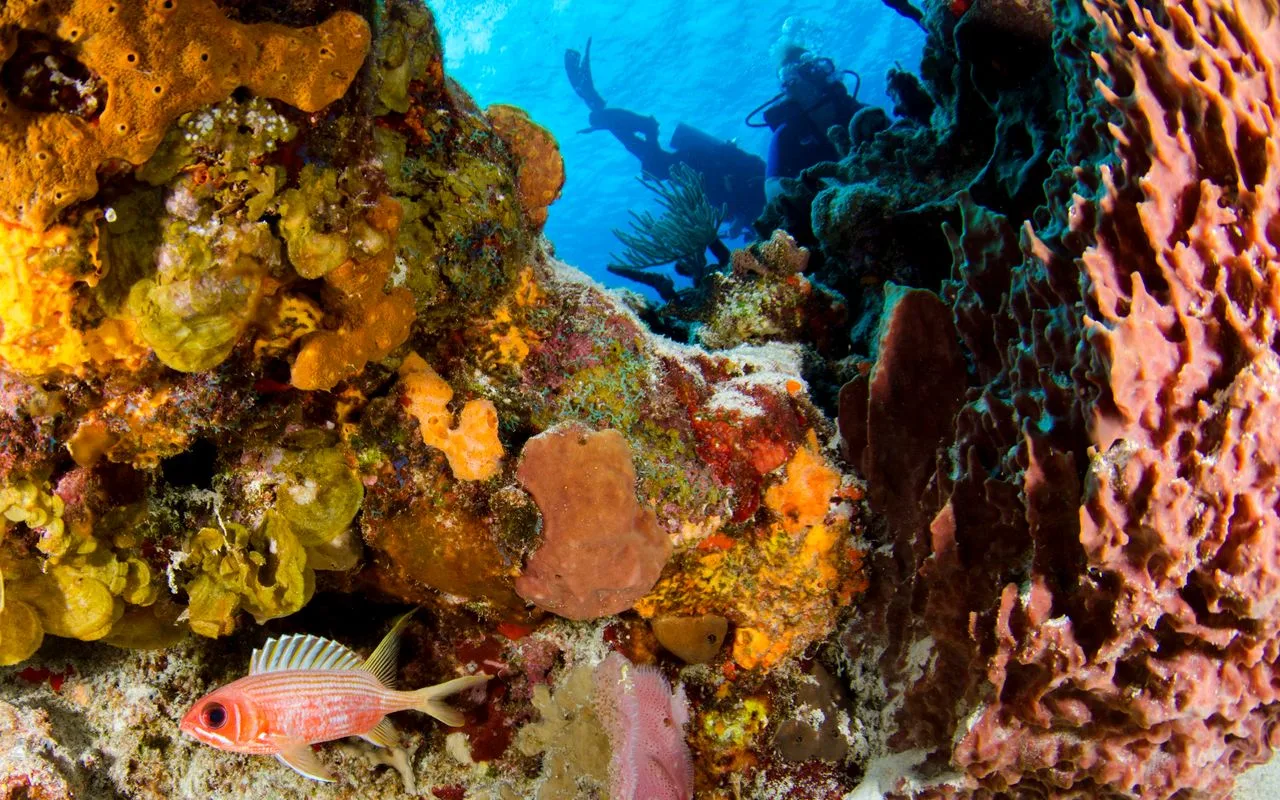
Bali sits inside the Coral Triangle, the most biodiverse marine region on the planet, and you do not have to travel far to see why. Within a day trip of Nusa Dua you can hover beside a giant manta ray, swim over a wartime shipwreck, or drift along a wall of coral so dense it looks painted. This is the guide we give Villa Soleil guests who want to get in the water, whether they are first-time snorkelers or logged divers.
The good news for Nusa Dua guests: the calm south coast is a fine base, and the best sites are reachable by boat or car as day trips or short overnights. Below are the four areas worth your fins, plus the practical details on season, skill, and getting there.
Bali underwater — the quick overview
Bali offers an unusual variety in a small area: manta rays and cold upwellings off Nusa Penida, a beginner-friendly shipwreck at Tulamben, glassy coral walls at Menjangan in the far northwest, and gentle teaching reefs at Amed. Water temperatures range from a warm 28°C on most reefs to a chilly 20°C in the deep Penida channels where the mola-mola appears. There is something here for every level, from a snorkel float to a technical wall dive.
The four sites worth your time
| Site | From Nusa Dua | Best for | Highlight |
|---|---|---|---|
| Nusa Penida | Boat day trip | Snorkel & dive | Manta rays, mola-mola |
| Tulamben | 2.5–3 hr drive | Wreck, all levels | USAT Liberty shipwreck |
| Menjangan | 3–4 hr / overnight | Coral walls | Pristine visibility |
| Amed | 2.5–3 hr drive | Beginners | Easy reefs & mini-wreck |
Nusa Penida — the manta island
Penida is the marquee day trip. At Manta Point, manta rays glide over cleaning stations and you can snorkel or dive among them; at Crystal Bay and Gamat Bay the coral and fish life is superb. From July to October, experienced divers chase the strange, disc-shaped mola-mola in cold, deep water. It is the easiest of the big sites to reach from Nusa Dua — via Sanur and a fast boat — and the one we recommend most for snorkelers.
Tulamben — the shipwreck for everyone
The USAT Liberty, a World War II cargo ship, lies on a black-sand slope just metres off the Tulamben shore. The top of the wreck sits shallow enough for snorkelers, while divers explore the full hull draped in coral and patrolled by schools of fish. It is a shore dive — you walk in from the beach — which makes it relaxed and beginner-friendly. The drive from Nusa Dua is long, so many do it as a very early start or a one-night stay.
Menjangan & Amed
Menjangan Island, inside the West Bali National Park, has the calmest, clearest water on the island and dramatic coral walls; it rewards the long journey with an overnight. Amed, on the quiet east coast, is the gentle classroom — warm shallow reefs, a small Japanese wreck, and laid-back dive shops — ideal for a first certification or an unhurried snorkel.
Snorkeling vs diving — which is for you
You do not need to dive to experience Bali's reefs. Snorkeling at Tulamben, Amed, the Blue Lagoon near Padang Bai, or on a Penida boat shows you coral, turtles, and reef fish from the surface in warm, shallow water. Diving opens the wrecks and walls and the manta cleaning stations at depth. Many couples and families split the difference: one snorkels while the other dives the same site.
Certification — from try-dive to Open Water
If you have never dived, a Discover Scuba Diving session takes uncertified beginners to around 12 metres with an instructor after a short briefing — perfect for a first taste at Tulamben or Amed. To dive independently you need an Open Water certification, which Bali's dive schools teach over three to four days. Certified divers should bring their card and logbook. For pure snorkeling, no paperwork is needed at all.
Season, safety, and what to bring
The dry season (April to November) brings the clearest water; mantas are year-round and mola-mola peak July to October. Always dive with a reputable, well-reviewed operator that checks gear and certifications — this matters more than price. Bring reef-safe sunscreen, a rash guard against sun and stings, and seasickness tablets for the Penida crossing if you are prone. Never touch coral or chase marine life; the reefs are protected and fragile.
Getting there from Nusa Dua
Nusa Penida is the simplest: a driver to Sanur, a fast boat, and a snorkel or dive boat on the other side — a full but easy day. Tulamben and Amed are 2.5–3 hour drives, best as a dawn start or overnight. Menjangan is a genuine expedition, best done as a one or two night trip. See our transportation guide for driver logistics and our Nusa Penida day trip guide for that crossing in detail.
Marine life you might meet
Part of the thrill is never quite knowing what will appear. On a typical Bali reef you can expect green and hawksbill turtles grazing the coral, clouds of anthias and fusiliers, parrotfish crunching at the reef, moray eels tucked in crevices, and the occasional reef shark cruising the edge of the drop-off — harmless and shy. Around Nusa Penida, the headline acts are the giant oceanic manta rays at their cleaning stations and, in the cool months, the strange disc-shaped mola-mola rising from the deep.
Macro lovers find their own rewards: nudibranchs in electric colours, ghost pipefish, and tiny shrimp living in anemones, especially at Tulamben and Amed. None of it needs chasing. The reefs reward stillness — hover, breathe slowly, and let the life come to you. A good guide will spot ten things you would have swum straight past, which is reason enough to dive with a reputable operator rather than going it alone.
What we arrange at Villa Soleil
For guests we match you to a reputable dive or snorkel operator for your level, arrange the driver and fast-boat timing for a Penida day, and pack an early breakfast or cooler so you are not waiting on a warung at 6am. If you would rather stay close, we can set up a snorkel trip from nearby Tanjung Benoa instead. Message us on WhatsApp +62 877 7000 1535 with your experience level and dates, and we will plan the water day.
Related reading
- Tanjung Benoa Water Sports — watersports near the villa
- Nusa Penida Day Trip — the manta island
- Things to Do in Nusa Dua — more ideas
- Best Time to Visit Bali — season planning
Written by the team at Villa Soleil. Message us to plan your stay in Nusa Dua.