Bali Street Food: What to Eat & Where, From a Nusa Dua Base
By Villa Soleil · Published August 2026 · 7 min read
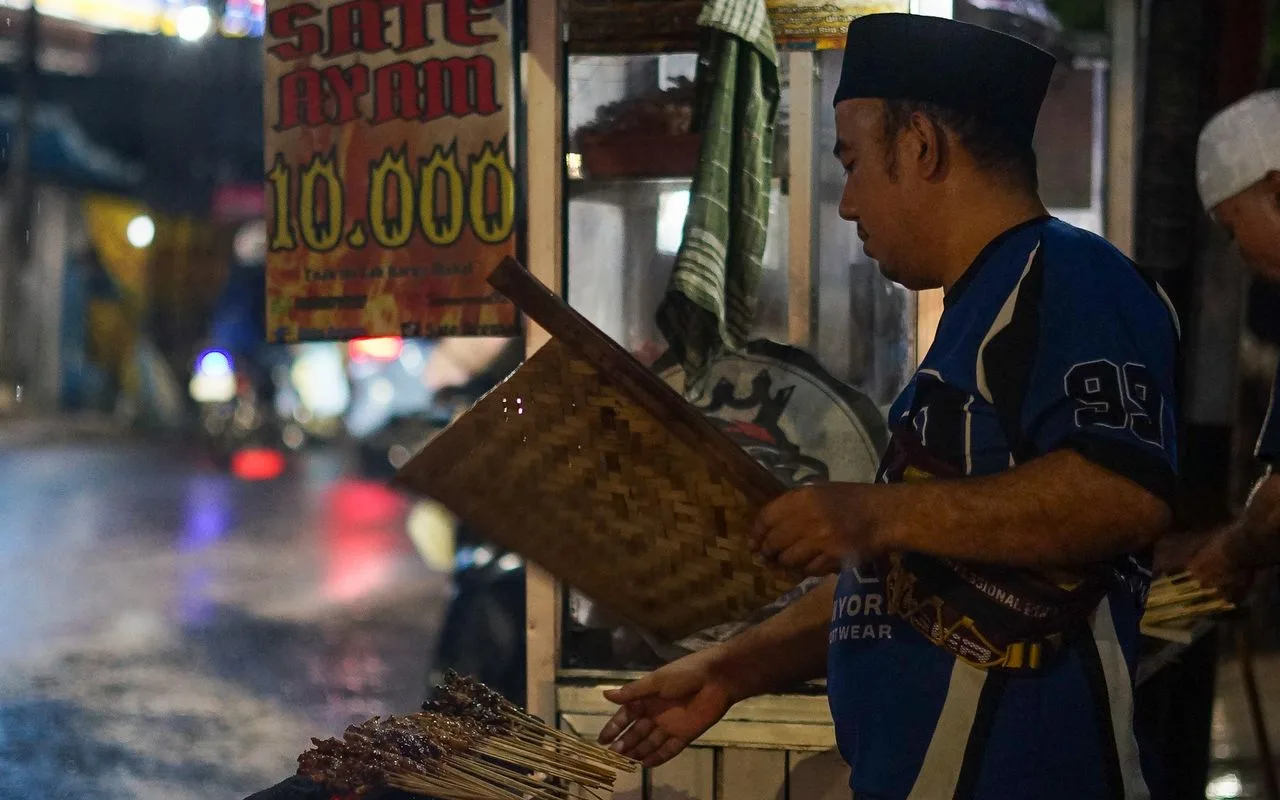
Quick answer: Bali’s best street food rarely sits inside the Nusa Dua resort zone itself — it’s a short drive away in Bualu, Jimbaran, and Denpasar. Order nasi campur, sate lilit, and babi guling from busy warung with high turnover, eat where locals queue, and let the Villa Soleil team point you to the spots they actually eat at.
The best meal you eat in Bali will probably cost less than a resort coffee and arrive on a plastic stool by the road. Nusa Dua, by design, sits a little apart from that — manicured, gated, polished. That is both the honest catch and the good news: staying at a private villa in Benoa puts you minutes from genuine street food while keeping a quiet home base to come back to. This guide is about eating well off the resort grid — what to order, what it should cost, how to eat safely, and where the southern warung worth your time actually are.
We are not going to pretend Geger Beach is ringed with hawker carts — it is not. But Bualu (the local village beside the resort zone), Jimbaran, and Denpasar are close, and they are where Balinese food becomes the real thing rather than a buffet line item. Read this alongside our guide to Balinese dishes if you want the deeper background on what each plate is.
What “street food” really means in Bali
Most of Bali’s best cheap food isn’t sold from a moving cart the way it is in Bangkok or Hanoi. It comes from the warung — a small, often family-run eatery that might be a permanent storefront, a roadside shack, or a folding table that appears at dusk. The roaming version is the kaki lima (literally “five legs”), the pushcart vendor selling bakso (meatball soup), bubur (rice porridge), or es campur (shaved-ice dessert). Both are street food in spirit: fresh, fast, local, and cheap.
The other thing to understand is the Hindu-Balinese context. Pork is everywhere here in a way it isn’t in most of Muslim-majority Indonesia — babi guling (suckling pig) is the island’s signature dish, not a novelty. If you keep halal, you will still eat brilliantly (ayam, ikan, sate ayam, plenty of vegetable dishes), but read labels and ask. A little cultural fluency goes a long way; our etiquette guide covers the basics.
The dishes to order first
If you eat just a handful of things on this trip, make them these. They are the backbone of Balinese street eating and the ones a southern warung does best.
- Nasi campur — “mixed rice”: a plate of rice surrounded by small portions of whatever the warung made that day (sate lilit, shredded chicken, long beans, tempe, a fierce sambal, sometimes a boiled egg). Cheap, filling, and the clearest single snapshot of how Balinese home cooking actually tastes.
- Babi guling — spit-roasted suckling pig, served with crackling skin, lawar (spiced vegetable-and-coconut mix), and rice. Order it for lunch; the famous warung sell out by early afternoon.
- Sate lilit — minced fish or chicken blended with coconut and spices, pressed onto a lemongrass or bamboo stick and grilled. Distinctly Balinese, unlike the chunk-on-a-stick sate elsewhere.
- Bebek & ayam betutu — duck or chicken packed with spice paste, wrapped in an areca-palm sheath and banana leaf, then slow-steamed and roasted for hours. Rich, smoky, falling apart. Often needs ordering ahead.
- Bakso & mie ayam — meatball soup and chicken noodles, the everyday comfort food from kaki lima carts and small warung. Cheap, hot, satisfying.
- Jaja & es campur — colorful steamed rice-flour sweets, and shaved ice with syrup, jelly, and fruit. Market and roadside dessert.
Where to eat near Nusa Dua
The honest hierarchy: the resort zone itself has polished cafes and the more refined Nusa Dua restaurants, but for street food you step just outside the gates. Bualu village, a five-minute drive, has everyday warung where the resort staff eat. Drive 10–15 minutes to Jimbaran for the grilled-seafood shacks on the sand — not the cheapest meal on this list, but the south’s most visual street-food experience; our Jimbaran sunset dinner piece goes deep on it. For the broadest spread of authentic warung, head to Denpasar (30–45 minutes), especially the late-afternoon and night markets.
One caveat worth stating plainly: don’t expect Ubud-style food-tour density on your doorstep. Ubud is 1.5–2 hours from Nusa Dua, so treat its warung scene as a day-trip bonus rather than dinner. If a food crawl is the whole point of your day, our Ubud day trip guide helps you plan it properly.
What it should cost (2026 ranges)
Street food in Bali remains genuinely cheap, even as tourist-zone prices creep up. These are realistic ranges for 2026; warung pricing varies and seafood is sold by weight, so treat them as a guide rather than a quote.
| Dish | Typical price (IDR) | Where |
|---|---|---|
| Nasi campur (warung) | 25,000 – 50,000 | Bualu, Denpasar |
| Babi guling plate | 40,000 – 75,000 | Denpasar, Ubud |
| Sate lilit (10 sticks) | 30,000 – 60,000 | Jimbaran, warung |
| Bakso / mie ayam | 15,000 – 35,000 | Kaki lima carts |
| Betutu (per portion) | 50,000 – 90,000 | Order-ahead warung |
| Jimbaran grilled seafood (per person) | 150,000 – 350,000 | Jimbaran beach |
| Es campur / jaja | 10,000 – 25,000 | Markets, roadside |
Bring cash in small notes — most warung and carts don’t take cards. Our money & ATM guide covers withdrawing safely and avoiding skimming.
Eating safely without missing out
The old line “don’t eat street food” is bad advice — the trick is choosing well, not avoiding it. A few habits cover most of the risk:
- Follow the crowds. A busy warung means high turnover and fresh food. An empty one at peak hours is a quiet warning.
- Eat it hot and freshly cooked. Grilled sate, just-fried tempe, and soup ladled from a bubbling pot are safer than food sitting at room temperature.
- Be cautious with ice and raw garnishes early in your trip. Packaged-ice cubes (uniform, with a hole) are usually factory-made and fine; ask if unsure.
- Pace yourself. Chilli, coconut richness, and a new microbiome are a lot at once. Ease in.
For the full rundown — water, ice, what to pack, when to see a doctor — read our food & water safety guide. It is the one piece worth skimming before you arrive.
Markets, timing, and the night-market move
Two timing tricks change everything. First, the famous babi guling and betutu warung are lunch institutions — arrive by noon or they may be sold out. Second, the night markets (pasar malam and pasar senggol) come alive after dark, when the heat drops and the kaki lima carts roll out. Denpasar’s night markets carry the widest variety in the south: grilled corn, martabak, sate, fresh juices, and stacks of jaja in every color.
If you would rather learn the dishes than just eat them, a cooking class turns a market visit into a hands-on morning — you shop for ingredients, then cook lawar and sate lilit yourself. It is a dependable half-day, and it makes every warung meal afterward more interesting.
Vegetarian, vegan, and dietary notes
Bali is one of the easier places in Indonesia to eat plant-based, thanks to its long yoga-and-wellness scene and Hindu vegetarian traditions. Street-level staples like gado-gado (vegetables with peanut sauce), tempe and tofu dishes, urap (spiced coconut-vegetable salad), and nasi sayur are naturally meat-free — though check that sambal and broth don’t contain terasi (shrimp paste) or stock. Tell the vendor “tanpa daging, tanpa terasi” (no meat, no shrimp paste). For dedicated spots, our vegan dining guide lists the kitchens that take it seriously.
Let the villa make it easy
The street-food map shifts constantly — warung move, sell-out times change — so the Villa Soleil team can point you to the Bualu spot that’s good right now, arrange a driver for Denpasar or Jimbaran, or set up a private chef at the villa. Message us on WhatsApp and tell us what you want to eat.
Related reading
- Balinese Dishes: A Field Guide to What You’re Eating
- Jimbaran Bay Sunset Seafood Dinner
- Bali Cooking Classes: Market to Table
- Bali Food & Water Safety Guide
Written by the team at Villa Soleil. Message us to plan your stay in Nusa Dua.