Bali Vegan Dining: A Plant-Based Guide for 2026
By Villa Soleil · Published July 2026 · 7 min read
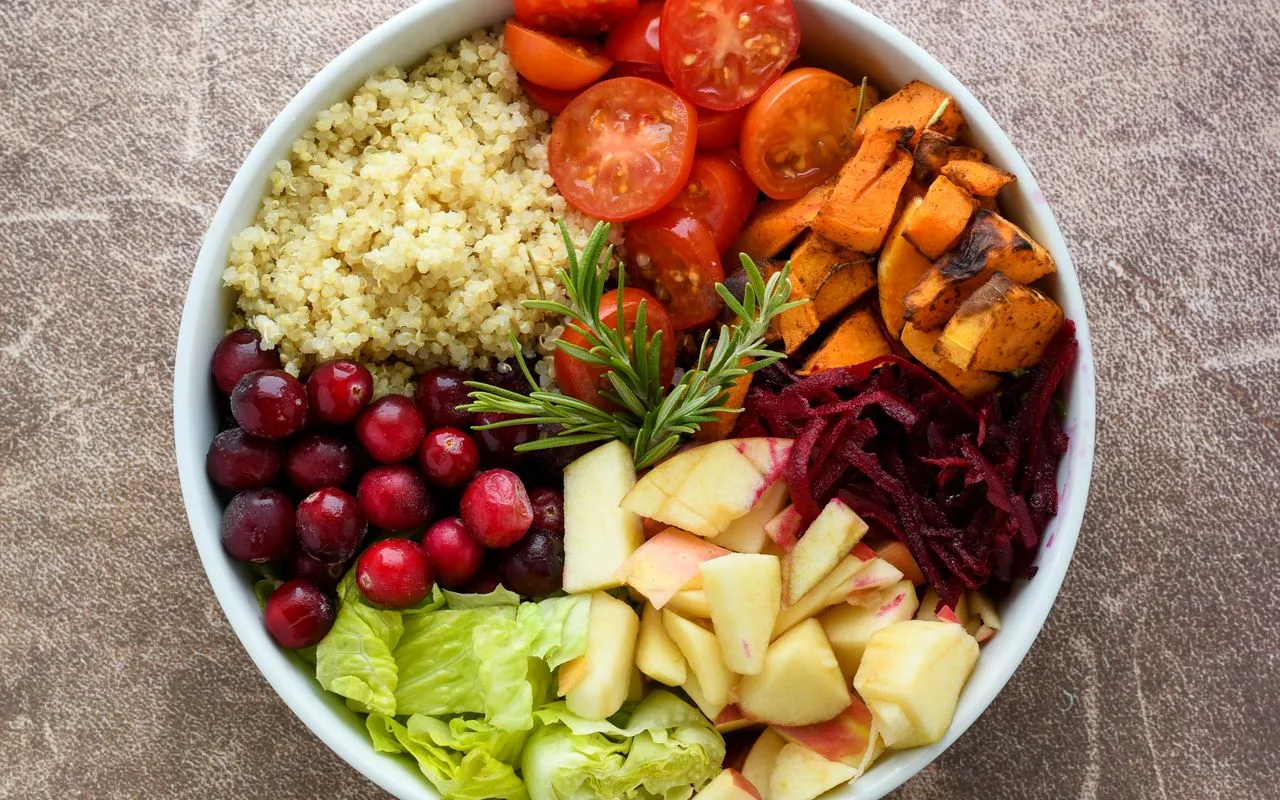
You can land in Bali, drop your bags, and eat a raw lasagne for lunch, a jackfruit “rendang” for dinner, and ripe mango with sticky black rice somewhere in between — all without once explaining what “vegan” means. Long before it became a global menu category, much of everyday Balinese cooking was already built around rice, vegetables, tofu, tempeh and coconut, with meat treated as a sometimes-ingredient rather than the centrepiece. Add two decades of wellness tourism on top of that, and plant-based travel here is genuinely easy. At Villa Soleil, in quiet Benoa on the Nusa Dua peninsula, we host a steady stream of vegan, vegetarian and dairy-free guests, and this guide gathers what we tell them — the hubs, the dishes, and how to eat well without leaving our corner of the island.
Why Bali is a plant-based paradise
Three things make Bali unusually friendly to vegans. First, the base ingredients are already there: tofu and tempeh are local staples (tempeh was, after all, perfected in nearby Java), and the markets overflow with tropical fruit, leafy greens, long beans, chillies and fresh herbs. Second, the wellness-and-yoga wave that swept Ubud and Canggu in the 2010s created genuine demand — cafes now compete on the creativity of their plant-based menus, not just whether they have one. Third, kitchens across the island understand the concept well: the loanword “vegan” is widely recognised, and most cooks grasp “no meat, no egg, no dairy” in seconds.
The flip side is that Bali’s plant-based scene clusters geographically. Ubud and Canggu are the dedicated capitals; Seminyak has a strong showing; Nusa Dua and Sanur lean more toward resort dining but still cover you comfortably. Knowing how far the good stuff is from your bed saves a lot of disappointment.
The smoothie bowl, Bali’s edible icon
If one dish symbolises Bali’s plant-based identity, it is the smoothie bowl. Thick blended frozen fruit — dragon fruit for that electric magenta, açaí, mango or banana — arrives crowned with granola, coconut flakes, fresh fruit, chia and nut butter. They are photogenic, genuinely nutritious, and sold almost everywhere for roughly IDR 55,000–95,000. Two notes from experience: ask for “no honey” if you are strictly vegan, since some bowls are sweetened with it, and request granola on the side if you want it crunchy rather than soggy. Bowls are a breakfast hero, but they also make a light, cooling lunch after a morning at the beach.
Ubud & Canggu: the dedicated vegan hubs
Ubud is Bali’s spiritual and culinary heart for plant-based food. You will find raw-food restaurants serving dehydrated “crackers,” cashew cheeses and zucchini-noodle dishes; warungs reinventing Balinese classics in vegan form; and dessert bars built entirely around coconut and cacao. It pairs naturally with a temple-and-rice-field day, so many of our guests fold lunch into an Ubud day trip or a stop at the Tegallalang rice terrace.
Canggu is younger, beachier and more experimental — this is where you find vegan burgers with house-made patties, plant-based “chicken” wraps, oat-milk flat whites and all-day brunch spots packed with surfers and remote workers. Prices run a touch higher than a local warung but remain reasonable: a generous vegan main is typically IDR 75,000–130,000. Seminyak sits between the two in style, with polished cafes and a few destination plant-based restaurants worth a special dinner.
- Ubud — raw food, healing cafes, vegan Balinese, cacao desserts; best for a leisurely lunch on a culture day.
- Canggu — vegan burgers, brunch, smoothie bowls, oat-milk coffee; best for a younger, casual vibe.
- Seminyak — stylish cafes and a couple of standout dinner spots; best for a dressed-up plant-based evening.
Naturally vegan Balinese dishes to seek out
You do not need a dedicated vegan cafe to eat plant-based in Bali — the traditional kitchen is full of dishes that are already vegan or trivially made so. Learning a few names lets you order confidently at any warung. The one essential phrase is “tanpa daging, tanpa telur, tanpa terasi” (no meat, no egg, no shrimp paste), since terasi (fermented shrimp paste) is the hidden non-vegan ingredient in many sambals and vegetable dishes.
- Tempe & tahu — tempeh and tofu, fried, braised or in sweet-spicy “kering” form; protein-rich and everywhere.
- Sayur urap — steamed vegetables with seasoned grated coconut (confirm no shrimp paste).
- Gado-gado & pecel — vegetables with peanut sauce; ask for it without egg.
- Nasi goreng / mie goreng sayur — fried rice or noodles, vegetable version, no egg, no terasi.
- Jukut ares & lawar — lawar is usually meaty, but a vegetarian “lawar putih” exists; always check.
- Black rice pudding (bubur injin) — coconut milk and palm sugar; a naturally vegan dessert.
If you want to take this knowledge home, a hands-on Bali cooking class is a brilliant way to learn the spice pastes and tofu-and-tempeh techniques that make these dishes sing — most classes happily run a fully vegan menu on request.
Eating vegan near Nusa Dua & Benoa
Nusa Dua is resort country, which means slightly fewer dedicated vegan cafes than Canggu — but you will not go hungry. Every quality restaurant in the area marks vegetarian and vegan items, beachfront warungs in Tanjung Benoa serve vegetable nasi/mie goreng and gado-gado, and the cafes around Bali Collection and the Geger Beach area increasingly offer smoothie bowls, plant-based bowls and oat-milk coffee. From Villa Soleil it is a short hop to the strip of eateries we point guests toward; for a fuller list see our Nusa Dua restaurants guide and the things to do in Nusa Dua roundup, which both flag plant-based-friendly spots.
For a special vegan dinner with a view, the seafood-grill strip at Jimbaran Bay is only about 15–20 minutes away, and most warungs there will happily grill vegetables, corn and tofu over coconut husk while you watch the sunset — an easy way to join meat-eating companions without compromising.
A plant-based day, hub by hub
Here is a realistic sense of distance, vibe and budget from Villa Soleil, so you can decide whether to travel for food or eat close to home.
| Area | Drive from Villa Soleil | Best for | Typical vegan main |
|---|---|---|---|
| Nusa Dua / Benoa | 5–15 min | Convenience, beach cafes, resort dining | IDR 60k–120k |
| Jimbaran | 15–20 min | Grilled veg & tofu at sunset | IDR 70k–130k |
| Uluwatu | 30–40 min | Clifftop cafes, surfer brunch | IDR 75k–130k |
| Seminyak | 45–60 min | Stylish vegan dinners | IDR 90k–160k |
| Canggu | 60–75 min | Vegan burgers, brunch, bowls | IDR 75k–130k |
| Ubud | 75–90 min | Raw food, healing cafes, vegan Balinese | IDR 70k–140k |
Our honest advice: treat Ubud and Canggu as day trips built around culture, rice fields or surfing rather than driving 90 minutes for lunch alone, and lean on Nusa Dua and Jimbaran for everyday meals. Because traffic shapes every plan, it is worth skimming our Bali transportation guide before committing to a far-flung cafe.
Practical tips for vegans in Bali
- Watch for hidden animal products — terasi (shrimp paste), fish sauce, oyster sauce and honey are the usual culprits. The phrase above handles most of it.
- Stay hydrated and balanced — with so much fruit, it is easy to over-do sugar; balance bowls with protein from tofu, tempeh, nuts and legumes.
- Tap water is not drinkable — stick to filtered or bottled water, including for ice at smaller warungs (reputable cafes use safe ice).
- Carry small cash — warungs and beach stalls are cash-first; see our Bali money & ATM guide.
- Specialty coffee is everywhere — oat and soy milk are standard in cafes; ask before assuming at smaller warungs.
What we arrange at Villa Soleil
Our concierge can arrange an in-villa cook to prepare fully vegan breakfasts, lunches and dinners throughout your stay — tell us if you need raw, gluten-free or nut-free and we will tailor the menu and shop the markets for you. Message the Villa Soleil team on WhatsApp to set it up.
Related reading
Written by the team at Villa Soleil. Message us to plan your stay in Nusa Dua.