Nusa Dua Water Blow: An Honest 2026 Guide From a Villa Ten Minutes Away
By Villa Soleil · Published August 2026 · 7 min read
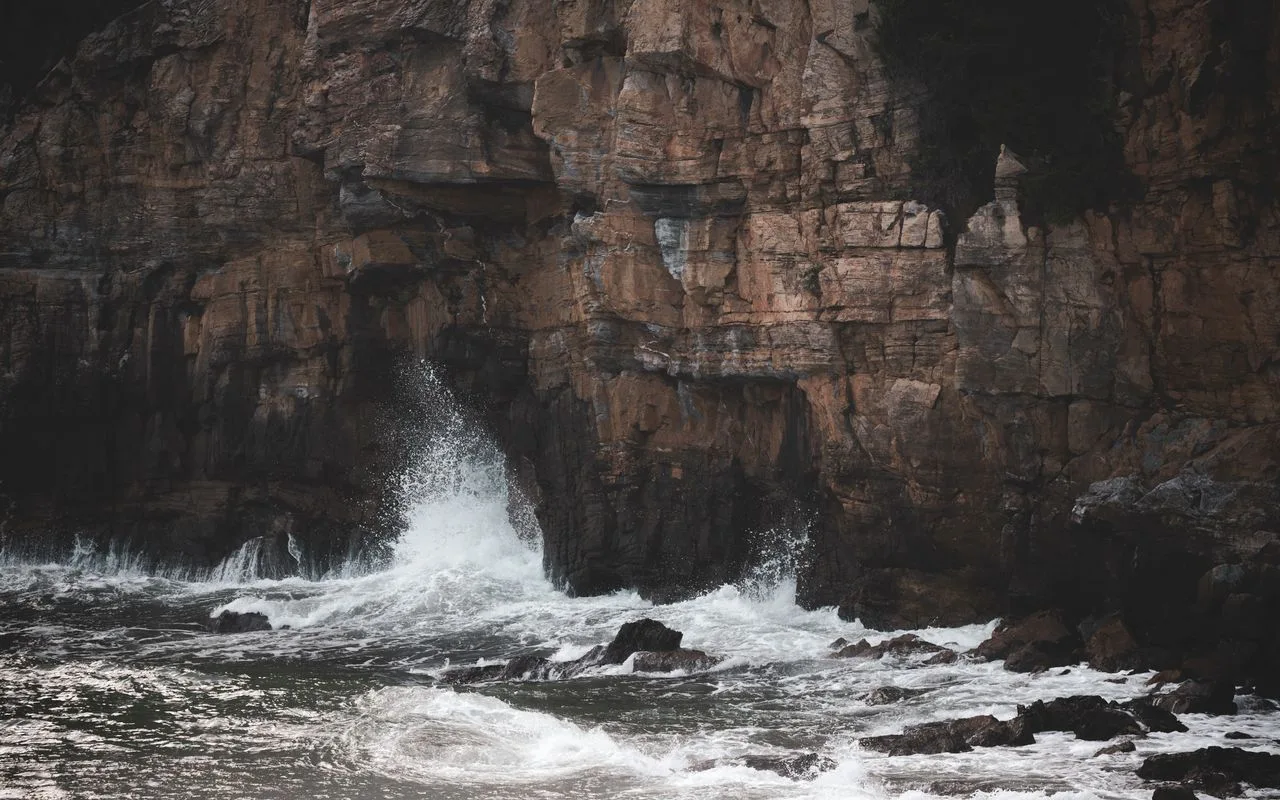
Quick answer: The Water Blow is a natural rock-cleft geyser on the Peninsula headland in Nusa Dua, with a small entry fee (around IDR 25,000/adult, IDR 15,000/child) and best on a rising tide with strong swell. From Villa Soleil it’s a 10–15 minute walk or a 5-minute drive — go mid-morning or late afternoon and skip the midday glare.
You hear the Water Blow before you see it — a deep thud in the limestone, then a column of white water punching over the railing, sometimes clearing the cliff edge by several metres. It is a narrow seam in the headland rock on the eastern Peninsula of Nusa Dua, where the Indian Ocean rushes into the cleft, compresses, and detonates upward. It sits a ten-to-fifteen-minute walk from Villa Soleil, so you can fold it into a morning coffee run rather than a full day trip. This guide covers what it is, when it actually performs, how to stay safe, and how to fit it into an easy day.
What the Water Blow Actually Is
Despite the name, there is no blowhole pipe here. The Water Blow is a cleft in the raised coral limestone of the headland, opened up over centuries by the sea. When a swell arrives at the right angle, the water funnels into the narrowing gap, has nowhere to go, and shoots vertically. On a flat day it is a gentle slosh; on a big-swell day it throws mist clear across the viewing deck and soaks anyone who stands too close. The cleft is framed by manicured lawns, frangipani, and a low timber platform, so even when the sea is quiet the headland walk is pleasant. It belongs on any short list of things to do in Nusa Dua, precisely because it asks so little of you.
When It Performs: Tides, Swell & Season
The Water Blow is weather-dependent, and managing expectations is half the experience. Two factors matter most: tide and swell. A rising-to-high tide combined with an incoming ocean swell produces the biggest eruptions; a dead-calm sea at low tide can be underwhelming. As a rough rule, the big surf here is driven by groundswell rolling up from the south and southwest of the Indian Ocean, and it is strongest in Bali’s drier months (roughly April to October) — conveniently, the same dry-season southeasterly trade winds blow offshore, which helps the spray stand up cleanly. The wetter season can still deliver dramatic days, just with less predictability.
- Best window: a rising tide an hour or two before high water, paired with visible swell lines offshore.
- Light: mid-morning (around 9–11am) or the last two hours before sunset for the softest light and best photos.
- Avoid: dead-low slack tide on a glassy, windless day — the show is muted.
- Season: the dry months, when south/southwest swell is most consistent, tend to be more reliable; see our notes on the best time to visit Bali.
Getting There From Villa Soleil
From the villa it is a flat, shaded walk of roughly ten to fifteen minutes along the Peninsula side of Nusa Dua, or a five-minute drive if the heat is high or you’re carrying camera gear. The headland sits past the conference precinct and the line of beachfront resorts, inside the gated BTDC/ITDC Nusa Dua complex; signs for “Water Blow” point the way once you’re on the peninsula road. If you’d rather not navigate, our host can arrange a driver or point you to the footpath. For wider context on getting around the south, see our Bali transportation guide and the practical directions to Villa Soleil.
| Option | Time from Villa Soleil | Approx. cost (IDR) | Best for |
|---|---|---|---|
| Walk along the Peninsula | 10–15 min | Entry ~25,000/adult | Morning or late-afternoon strollers |
| Private driver / villa car | ~5 min | Arranged via host + ~5,000 parking | Midday heat, camera gear, families |
| Scooter | ~5 min | From ~80,000–120,000/day rental + ~5,000 parking | Independent explorers |
| Combine with Geger Beach | +10 min walk | Free entry | A half-day on foot |
What It Costs & What to Expect On Site
Entry to the Water Blow is no longer free: expect a small ticket of around IDR 25,000 per adult and IDR 15,000 per child, plus roughly IDR 5,000 to park a car or scooter, since the headland sits within the gated BTDC/ITDC resort precinct. Rates can change, so it is worth confirming them on the day. There are no big facilities at the cleft — just a viewing deck, railings, lawns, and a short walk from the road. Bring water, sun protection, and a hat. Allow thirty to forty-five minutes if the sea is active, less if it’s flat. There are cafés and the wider Nusa Dua restaurant scene nearby for afterwards, plus the manicured boardwalk that links the Peninsula resorts — an easy add-on stroll.
Safety: Respect the Cleft
The Water Blow is beautiful and genuinely powerful, and the two facts are connected. On big-swell days, eruptions can surge without warning and the spray reaches well past where you think is safe. People have slipped on the wet limestone. Treat it like the open ocean it is.
- Stay behind railings and off the wet rock shelf, especially with children.
- Never turn your back on the sea to pose for a photo on a big day — rogue surges happen.
- Keep phones and cameras in a dry bag or zipped pocket; mist carries.
- Wear shoes with grip, not flip-flops, if you plan to get close.
- If the headland staff cordon off an area during heavy swell, heed it.
For broader peace of mind on your trip, our Bali health & safety guide covers the practical basics.
Photographing the Water Blow
This is a rewarding action subject, and you don’t need professional gear. The trick is timing the burst. Watch two or three cycles to learn the rhythm of the swell, then shoot in burst mode just as a wave hits the cleft. Side-light from mid-morning or late afternoon makes the spray glow; backlight near sunset can be dramatic but tricky to expose. A fast shutter freezes the droplets; a slightly slower one turns the plume silky. Protect your lens from salt mist between shots. If you’re building a wider shot list, our roundup of Bali photography spots pairs this with other southern viewpoints, and a sunset at Uluwatu temple makes a natural same-day or next-day companion.
Pairing It Into a Relaxed Day
Because the Water Blow takes so little time, it works best as one beat in a gentle Nusa Dua day rather than the headline. A favourite rhythm: morning coffee on the villa terrace, the headland walk to catch the rising tide, then down to the calm Nusa Dua beaches or a swim at nearby Geger. Afternoon is for the private pool, perhaps a spa massage, and dinner either in or out. If you want a sea-going afternoon, Tanjung Benoa’s water sports are only ten to fifteen minutes away.
Is It Worth It? An Honest Verdict
Yes — with a caveat. On a flat, still day the Water Blow is a pleasant ten-minute headland stroll and little more. On a rising tide with real swell, it is an exhilarating, low-cost sight, and because it sits a short walk from the villa, the gamble costs you almost nothing. Our advice: don’t plan a whole morning around it — check whether the sea is up, and if it is, walk over. To book your stay, message the Villa Soleil team on WhatsApp.
Related reading
Written by the team at Villa Soleil. Message us to plan your stay in Nusa Dua.