Geger Beach, Nusa Dua: Calm Lagoon, Temple & Warungs
By Villa Soleil · Published October 2026 · 8 min read
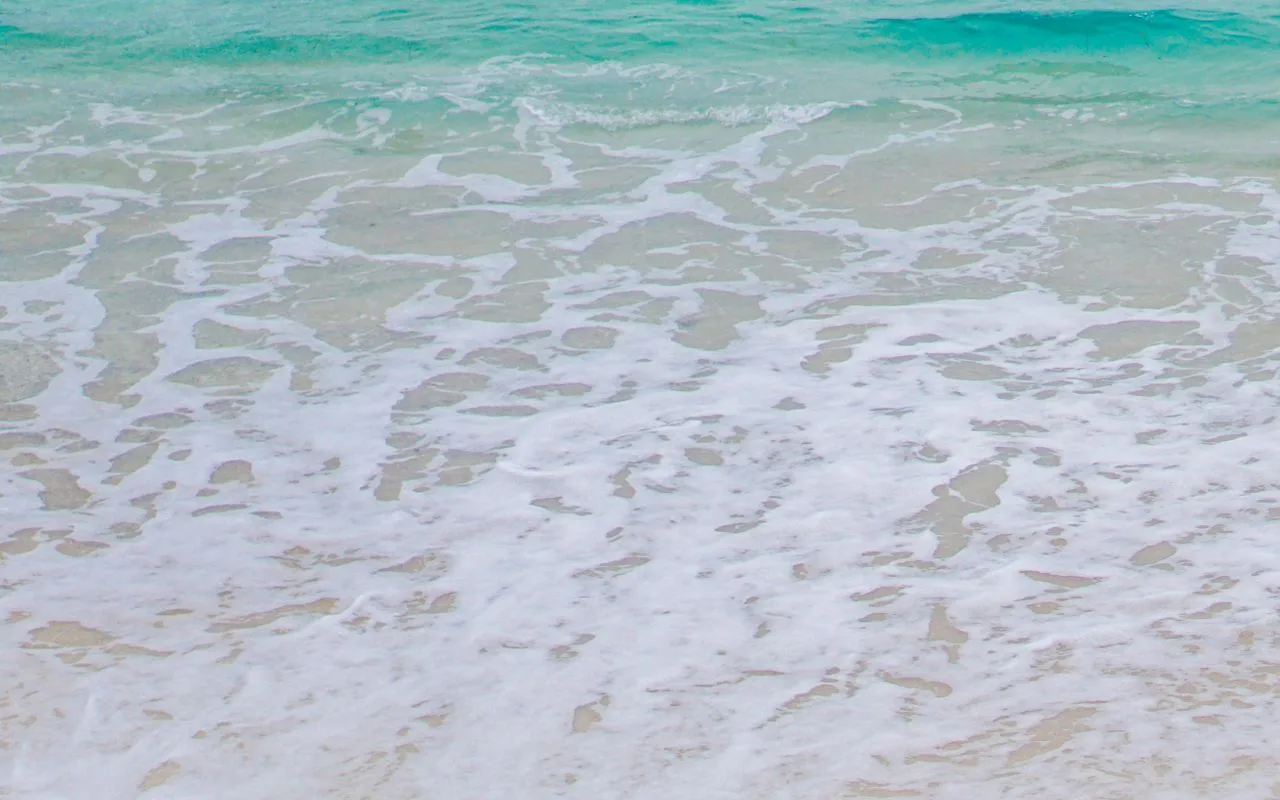
Geger Beach is the stretch of pale sand at the southern end of Nusa Dua where the resort enclave quietly gives way to a Balinese village. It sits about 10 minutes by car from Villa Soleil, tucked below the limestone headland that carries Pura Geger temple, and it is the beach we send guests to when they want the calm water of the Nusa Dua lagoon without the hotel atmosphere. The reef a few hundred metres offshore takes the swell, so the water behind it behaves more like a shallow pool than an ocean. Add a row of family-run warungs on the sand, sunbeds at village prices and a temple you can walk up to in ten minutes, and you have the most complete beach afternoon on this side of the Bukit.
What Geger Beach actually looks like
The public section of Geger runs roughly a kilometre from the temple headland northwards, where it blends into the sand fronting The Mulia and, further on, The St. Regis Bali. The village end is the interesting part. Here the beach is backed by low warungs with plastic chairs, a few rows of sunbeds under umbrellas, and a line of jukung fishing boats pulled up on the sand. The water is pale turquoise over a sandy bottom close to shore, with darker patches where the reef flat and the old seaweed plots begin. There are no cliffs to climb down and no stairs; you park, walk 50 metres and you are on the sand.
Geger has been cleaned daily for years because the neighbouring resorts share the same sand, and it shows. You will still see some seaweed wash-up after a big tide, which is natural here rather than a sign of neglect.
The swimming lagoon and the tide
The single most useful thing to know about Geger is that the tide changes the beach completely. At mid to high tide the lagoon is chest-deep, clear and almost flat, and this is when it earns its reputation as the best swimming beach in Nusa Dua. At low tide the water pulls back across the reef flat, exposing rock, wooden stakes and the ropes of the seaweed lines, and what remains is ankle-to-knee deep and a little slippery underfoot. It is still pleasant for paddling with small children and for looking at rock pools, but it is not a swim. At the very top of a spring tide the sand narrows and the water can reach the front of the warungs, so a falling mid-tide is the sweet spot for both swimming and space to sit.
Check a tide table for Nusa Dua the night before; our host will happily look one up on WhatsApp if you tell us which morning you are planning. The water is calmest before the afternoon breeze picks up, so a 9 am arrival with a swim, lunch at a warung and a lazy read on a sunbed is our standard recommendation. The beach faces east, which means sunrise rather than sunset.
Seaweed farming, then and now
Before the resorts arrived, the families of Peminge, the customary village behind the beach, lived from the sea in two ways: fishing from jukung, and farming seaweed on the shallow reef flat. Seedlings were tied to ropes pegged in rows in 30 to 60 centimetres of water and harvested every few weeks for the carrageenan trade that supplies cosmetics and food manufacturers. For decades the whole lagoon at low tide was a grid of these lines, with farmers wading out at dawn to tend them.
Today most of the plots have gone. Tourism pays better, the pandemic knocked prices, and the resorts have expanded, so what you see now is a much smaller patchwork worked by a handful of families. It is still one of the last places on the south coast where the practice survives, and at low tide you can watch farmers checking their lines a few metres from the sunbeds. They are generally happy to chat, and a simple question before you take a photograph goes a long way.
Pura Geger on the headland
The temple that gives the beach its name sits on the limestone bluff at the southern end. Its full name is Pura Geger Dalem Pemutih, and for generations it has been where the fishermen and seaweed farmers of Sawangan pray for safe water and a good harvest. A paved path leads up from the beach road in about ten minutes, and from the top you get the whole lagoon laid out below you, the reef line, and on a clear day the cliffs running south towards Pandawa.
The temple is small and active rather than a tourist monument. There is no ticket, but a donation is expected and a sarong and sash are required; one can usually be borrowed at the entrance for a small contribution. Parts of the compound close during ceremonies, and the beach below occasionally hosts melukat purification rituals at dawn, which you may watch from a respectful distance. If you want the wider context on temple manners, dress and what the different courtyards mean, our Bali temple guide covers it.
Warungs, the beach grill and what things cost
The warungs on the village end are the reason many people come back. They serve fresh young coconuts, cold Bintang, nasi goreng, mie goreng, grilled fish and satay from kitchens a few steps from the water, with a meal generally costing IDR 40,000 to 80,000. Most of them only take cash. At the temple end of the beach, Nusa Dua Beach Grill has been trading since 1995 as a family-run beachfront restaurant; it opens daily from 08:30 to 22:00, serves Indonesian and Western dishes and grilled seafood, and mains run roughly IDR 100,000 to 300,000, which is far below the resort dining a short walk up the sand. There is no separate beach club in the Seminyak sense at Geger; the hotel beach clubs to the north are for their own guests.
| Item | Typical price | Notes |
|---|---|---|
| Beach entrance | IDR 5,000 per person | Paid at the village booth on Jalan Pura Geger. |
| Parking | IDR 5,000–10,000 per car; IDR 2,000–5,000 per scooter | Small lot beside the entrance; confirm current rates. |
| Sunbed with umbrella | IDR 50,000 per bed; about IDR 100,000 for a pair with a table | For the whole day, cash only. |
| Towel rental | IDR 25,000 | Bring your own from the villa to skip it. |
| Warung meal | IDR 40,000–80,000 | Nasi goreng, grilled fish, coconuts, cold drinks. |
| Nusa Dua Beach Grill main | IDR 100,000–300,000 | Open 08:30–22:00 daily; check the current menu. |
| Canoe or SUP | IDR 30,000–50,000 per canoe; about IDR 100,000 per hour for a paddleboard | Offered by beach vendors at mid to high tide. |
These are the rates we have seen recently; they drift upwards a little each year, so treat them as a guide and confirm on the day.
Parking, access and getting there from the villa
From Villa Soleil the drive is about 10 minutes. Your driver follows Jalan Nusa Dua Selatan south past the ITDC roundabouts, then turns left onto Jalan Pura Geger in Sawangan; the beach entrance and car park are just before The Mulia. The village runs a simple booth where you pay the IDR 5,000 entrance and the parking fee, and the lot fills by late morning at weekends and on Indonesian public holidays, when Denpasar families arrive in numbers. Arrive by 9 am and you will have your pick of sunbeds and shade. Ride-hailing cars can drop you at the entrance, though getting one back can take a while at the quieter hours; for a full day out with a stop at Pandawa or the Uluwatu cliffs afterwards, a private driver arranged through our host is the easier option.
- Bring cash in small notes for entrance, parking, sunbeds and warungs.
- Pack reef shoes or sandals you can wet; the reef flat is sharp and slippery at low tide.
- Take reef-safe sunscreen and a hat; the umbrellas are the only shade on the sand.
- Carry a sarong if you plan to walk up to the temple.
- Leave valuables at the villa; the warungs will keep an eye on your bag, but there are no lockers.
Is Geger good for families?
For families with children it is, in our view, the best public beach within easy reach of the villa. The water is shallow and protected, so the kids can swim and paddle without the shore break that makes Pandawa and the Uluwatu beaches hard work with little ones. The sunbeds give parents a base, the warungs mean nobody has to leave when someone is hungry, and the toilets, while basic, exist. Watch children near the reef flat at low tide, where the rocks are sharp, and keep an eye out for jellyfish after storms in the wet season. For the wider picture on beach days and rainy-day back-ups with children in the south, see our guide to Bali with kids.
Older guests and anyone with mobility concerns also do well here. There are no steps between the car park and the sand, and a sunbed is 50 metres from the car.
How Geger fits into a Nusa Dua stay
Our nearest beach is a 650-metre walk from the villa, and it is fine for a morning dip, but Geger is where we send guests for a full beach day. Pair it with the temple walk, lunch at a warung and an afternoon back at the villa pool, or push on south to Pandawa, around 20 to 25 minutes from the villa, for the cliff road and the sunset. For the resort beaches, the Water Blow and the rest of the enclave’s sand, our Nusa Dua beach guide lays out the options. And if you would like a tide table, a driver or a cool box packed with lunch by our private chef before you go, message the Villa Soleil team on WhatsApp and it will be arranged.
Related reading
- Nusa Dua beach guide: every stretch of sand in the enclave
- Pandawa Beach: the cliff road south of Geger
- Bali temple guide: dress, manners and what to expect
- Bali with kids: beach days and back-up plans
- Melasti Beach from Nusa Dua — Plan a Melasti Beach day trip from Villa Soleil: the cliff road
- Padang Padang Beach from Villa Soleil: Cave, Tides, Surf and When to Go — Padang Padang Beach from Villa Soleil: the cave stairs
Written by the team at Villa Soleil. Message us to plan your stay in Nusa Dua.