Bali Elephant Sanctuary: An Honest, Ethical Family Guide
By Villa Soleil · Published September 2026 · 7 min read
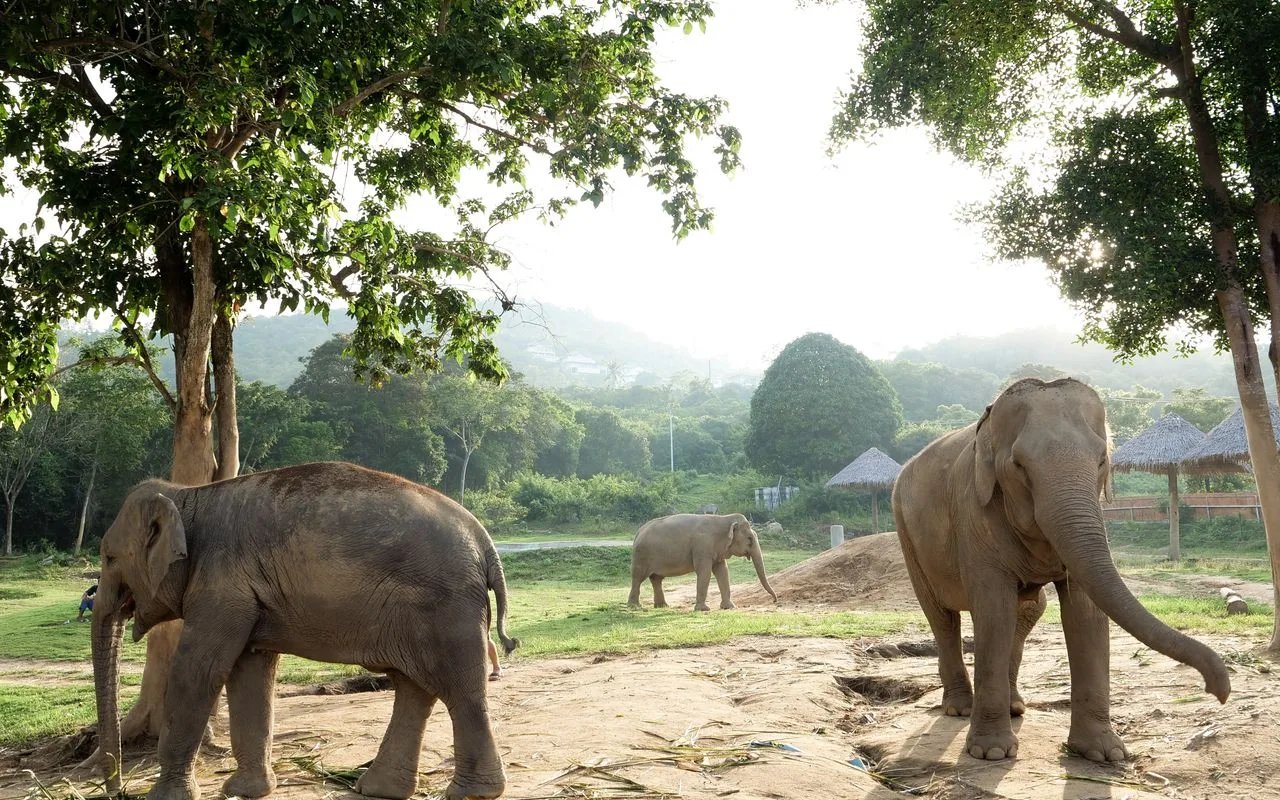
Few animals stop children mid-sentence the way an elephant does. Up close, the size alone is humbling — the slow swing of the trunk, the wrinkled patience of an animal that has clearly seen more than you have. But in Bali, an elephant encounter comes with a question parents should ask out loud before they book: is this fair to the animal? The honest answer is that some Bali elephant attractions are not, and a handful are genuinely trying to do better. This guide is for families who want the wonder without the guilt — what “ethical” actually means here, where the more reputable places sit near Ubud, what a visit feels like, and the caveats nobody puts on the brochure.
What “ethical” really means — and what it doesn’t
The word “sanctuary” gets used loosely in Bali, so treat it as a claim to verify, not a guarantee. A genuinely ethical elephant experience has a few non-negotiables, and the first is the big one: no riding. Elephant spines are not built to carry seats and people for hours; the chairs, the routines, and the control methods behind riding are where most of the welfare harm hides. Ethical operators have moved to observation and low-contact interaction instead.
- No riding, ever — no saddles, no platforms, no “short ride for the kids.”
- No circus-style shows — no painting, football, headstands, or performing on cue.
- Space and shade — large grazing areas, not animals chained to a post between photos.
- Calm, optional contact — feeding and walking alongside, with the elephant free to disengage.
- Transparency — staff who can tell you each elephant’s history and the herd’s daily routine.
One honest nuance: there are no truly wild elephants in Bali. The animals here are typically rescued or relocated Sumatran elephants from situations far worse, and a real sanctuary is managing captivity as humanely as possible rather than offering a wilderness fantasy. That distinction matters, and good operators are upfront about it.
Where the reputable places are
The cluster of more credible elephant parks sits in the Taro highlands north of Ubud (where parks such as Mason Elephant Park sit). From Villa Soleil in Nusa Dua you’re looking at roughly 1.5–2 hours each way, climbing from the coast through rice country into cooler, greener air. It pairs naturally with an Ubud-region day, so it’s worth reading our Ubud day trip guide before you lock in a plan.
Because it’s a real drive, most families treat the sanctuary as the morning anchor and build the rest of the day around it — rice terraces, a long lunch, perhaps a gentler stop on the way home. Our host can arrange a private driver who knows the route and the realistic timings, which beats a rushed group tour that herds you through.
What a visit actually feels like
Set expectations honestly with the kids: this is not a petting zoo or a fast ride, and that’s the point. A good visit is slow. You arrive, you learn a little about each elephant, and then you spend unhurried time near them — feeding bananas and sugarcane, walking alongside as they graze, watching them bathe themselves in the mud or river on their own terms. Some parks offer a guided walk-with-elephant or a mud-and-wash session; the ethical version is the elephant choosing the water, not being scrubbed for your photo.
Mornings are best. The animals are more active, the heat is bearable, and you beat the tour-bus crowds. For young children, the appeal is the feeding and the sheer scale; for older kids and teens, the conservation story often lands harder than they expect. If you’re assembling a broader family week, our Bali with kids and family villa holiday guides help you balance big-animal days with downtime by the pool.
Costs, packages and what to confirm
Pricing varies a lot by park and package, and rates change, so treat the figures below as realistic ranges to sanity-check rather than quotes. Always confirm current rates and exactly what’s included — entry, feeding, lunch, transport — before you commit.
| Package type | Typical range (per adult) | What it usually covers |
|---|---|---|
| Entry & viewing only | IDR 300,000–600,000 | Park access, observation, basic feeding |
| Feed & walk experience | IDR 600,000–1,200,000 | Guided feeding, walk-alongside, often lunch |
| Half-day “keeper” package | IDR 1,200,000–1,800,000+ | Extended time, mud/wash session, meal |
| Private driver (return) | IDR 700,000–1,000,000 / car | Round trip from Nusa Dua, waiting time |
Children’s rates are usually lower, and booking the whole day through one driver is often cheaper and far less stressful than stacking separate transfers. For budgeting the wider trip, our Bali trip cost guide gives you a sane framework.
Honest caveats no brochure mentions
This is where families deserve straight talk. Even the better parks are imperfect, and “ethical” in Bali is a spectrum, not a certificate. A few things to weigh honestly:
- Captivity is still captivity. No sanctuary recreates a wild elephant’s range; the best ones manage it kindly, not perfectly.
- “Sanctuary” is unregulated as a word. Some riding camps simply rebranded. Look at the actual activities, not the name.
- Bull hooks and chains are red flags. If you see them in use, or animals chained between sessions, that tells you more than any website.
- Be wary of bathing gimmicks. Forced “mud spa” sessions staged for photos are not welfare; voluntary bathing is.
If any of this sits uneasily with your family, that’s a legitimate reason to skip elephants entirely. Bali has wonderful animal-light alternatives — Bali Bird Park, the gentle botanic gardens, or a hands-on cooking class — that give kids a memorable day without the ethical asterisk.
Making it an easy family day from Nusa Dua
The logistics make or break a long-drive day with children. A few practical moves keep it smooth:
- Leave early — a 7–7.30am departure beats traffic and heat, and gets you the calmest animals.
- Pack light but smart — closed shoes, sun protection, a change of clothes if there’s any chance of mud or water.
- Build in a buffer — the highlands can throw afternoon rain; a flexible plan beats a packed one.
- Pair, don’t cram — one big morning plus a relaxed lunch is plenty for younger kids.
Back at Villa Soleil, the four suites and private pool make the recovery easy — the drive tires everyone out, and a quiet afternoon by the water is part of the plan, not a consolation. Our host can line up the driver, suggest a sensible route, and even arrange a private chef so nobody has to think about dinner after a big day. Geger Beach is a ten-minute stroll away if the kids still have energy to burn.
Planning, season and a final word
Elephant parks run year-round, but the drive and the experience are nicer outside the heaviest downpours; our best time to visit notes help you time it. The dry months mean clearer highland roads and more comfortable feeding sessions; the green season trades a little reliability for fewer crowds and lush scenery.
Above all, go in with clear eyes. An ethical elephant day in Bali is genuinely moving when it’s done right — children remember the weight of a trunk reaching for a banana for years. It’s also a choice that rewards a little homework. Ask the questions, watch how the animals are actually treated, and if it doesn’t feel right, walk away without guilt. When you want a hand sorting the driver, timings, or a softer plan B, message our host on WhatsApp at +62 877 7000 1535 — usually a reply within the hour. Booking the villa direct, as ever, costs less than the OTAs.
Related reading
Written by the team at Villa Soleil. Message us to plan your stay in Nusa Dua.