Shopping & Souvenirs in Bali
By Villa Soleil · Published May 2026 · 8 min read
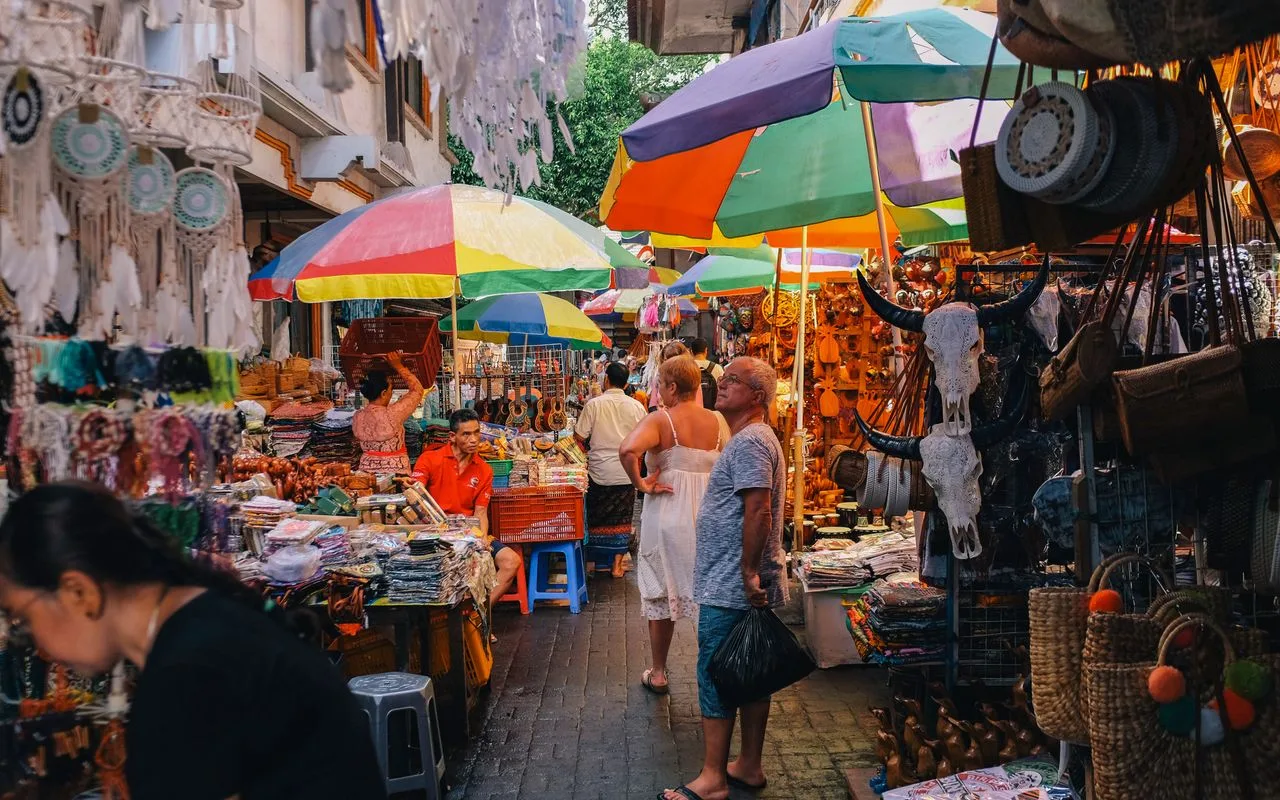
Bali is one of the great craft islands of Asia, with whole villages dedicated to silver, woodcarving, weaving, and painting. The trouble is that the tourist strips are also full of mass-produced imports and fakes, so the difference between a treasured piece and a landfill trinket comes down to knowing what to buy and where. This is the shopping briefing we give Villa Soleil guests before they head out from Nusa Dua.
The principle is simple: buy what Bali actually makes. Local crafts are better quality, support the artisans, and carry a real story home. Below is what is worth your suitcase space, where to find it, and how to pay a fair price without the stress.
What to actually buy
Bali rewards shoppers who seek out the island's own crafts. The standouts are local coffee, handwoven textiles, silver jewellery, woodcarving, ceramics, and original art — all made here and all built to travel.
| Item | Where it is made | Rough price |
|---|---|---|
| Coffee (incl. luwak) | Highland plantations | IDR 50–200k / bag |
| Ikat / batik textiles | Gianyar, Tenganan | IDR 150k–2m+ |
| Silver jewellery | Celuk village | IDR 100k–1m+ |
| Woodcarving | Mas village | IDR 80k–5m+ |
| Rattan / woven bags | Across Bali | IDR 100–400k |
| Original art | Ubud | varies widely |
Where to shop — markets, villages, boutiques, malls
Each setting suits a different mood. Markets (Ubud Market, Sukawati) are colourful and cheap, best for volume souvenirs and the fun of bargaining. Craft villages — Celuk for silver, Mas for woodcarving — let you buy direct from workshops, often watching the work happen. Boutiques in Ubud, Seminyak, and Canggu carry designed homewares, fashion, and art at fixed prices. Malls like the Bali Collection near Nusa Dua offer air-conditioned, fixed-price ease for coffee and gifts.
Bargaining — the friendly version
Bargaining is expected at markets and stalls, and never appropriate in fixed-price shops or malls. The key is that it is a warm social exchange, not a contest. Smile, take your time, and counter the first ask at roughly 40–50%, then meet somewhere in the middle. Buying several pieces together gives you leverage. If the number is not right, a polite “maybe later” and a step away often produces the real price. Our cultural etiquette guide covers the wider manners that keep these exchanges pleasant.
Avoiding fakes and overpaying
Two traps catch visitors: fake brand goods and false “antiques.” Counterfeit designer items are everywhere on tourist strips and are illegal to import into many countries. “Old” carvings and “antique” pieces are usually new and artificially aged — buy them because you like them, not as investments. Dramatically cheap silver or gems are a warning sign. Stick to established sellers, ask whether something is genuinely handmade, and keep your receipts.
Shipping big pieces home
Fell for a carved door or a piece of furniture? Reputable shops in Ubud and Seminyak arrange international shipping as a matter of routine, crating the item and handling customs paperwork. Always get a written quote that includes insurance and likely destination duties before you pay, and use an established shop rather than a market stall for anything large. Sea freight is cheaper but takes weeks; air freight is quick and costlier.
Customs — what you cannot take
Some things must stay in Bali. Genuine antiques, ivory, tortoiseshell, and products from protected coral or wildlife are banned and can be seized at either end. Fake designer goods may be confiscated at your home border. When in doubt, choose clearly handmade local crafts from established sellers — they are the things worth bringing home anyway.
Shopping near Nusa Dua
You do not have to go far. The Bali Collection mall and the beachfront shops around Nusa Dua cover coffee, gifts, and resort wear at fixed prices, and a short drive reaches Sanur's relaxed boutiques. For the craft villages and Ubud market, pair shopping with a day trip — see our things to do in Nusa Dua guide for how to combine it.
Coffee — what to know before you buy
Bali coffee is one of the most popular things to take home, and there are a few things worth knowing. The island and wider Indonesia grow excellent arabica (notably from Kintamani in the highlands) and robusta; a bag of single-origin Kintamani beans is a genuinely good gift. The plantation tours dotted along the Ubud route offer free tastings of flavoured coffees and teas, which are fun even if the flavoured blends are aimed squarely at tourists.
You will also be offered kopi luwak — the famous (and pricey) civet coffee. Be aware that much of it now comes from caged, force-fed civets rather than wild animals, which raises real welfare concerns, and the taste rarely justifies the premium. If you are curious, buy only from a plantation that can credibly show its civets are wild-sourced, or simply skip it in favour of a good Kintamani arabica. Either way, buy whole beans over pre-ground for freshness, and check that the bag is sealed.
What we arrange at Villa Soleil
For guests we point you to trustworthy silver and textile sellers, brief your driver to stop at the craft villages on an Ubud day, and recommend shops that ship reliably if you fall for something large. We can also have everyday gifts and coffee picked up so you are not carrying bags in the heat. Message us on WhatsApp +62 877 7000 1535 with what you are after and we will steer you to the real thing.
Related reading
- Bali Trip Cost Breakdown — budgeting your spend
- Bali Cultural Etiquette — markets & manners
- Things to Do in Nusa Dua — shopping spots nearby
- Bali Packing List — leaving room in the suitcase
Written by the team at Villa Soleil. Message us to plan your stay in Nusa Dua.